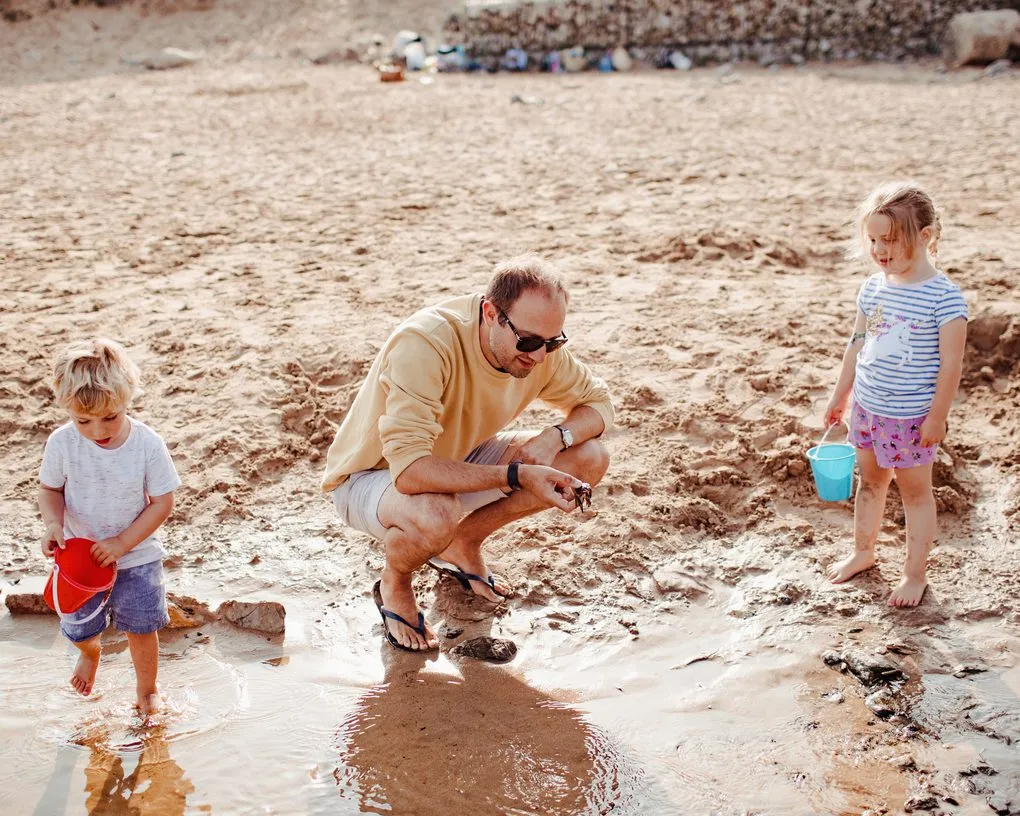
It feels like five minutes since they were a newborn. But if your little one turns 4 between September 2026 and August 2027, it's time to apply for a primary school place in England. The deadline is in January, and it comes round faster than you think.
The key dates for September 2027 starters
- Now to 15 January 2027. Apply through your local council. In England, the deadline for primary school applications is 15 January.
- 16 April 2027. National offer day for primary school places in England.
- September 2027. Most children start reception full time in the September after their fourth birthday.
Councils run admissions, so check your own council's website for the exact process and any local dates. You apply through the council where you live, even if the schools you like are in a different area.
Choosing schools
Use all your preferences. Councils let you list several schools in order of preference. List them in the order you genuinely prefer, and include at least one where you have a realistic chance of a place.
Check the admission criteria. Each school has rules about who gets priority, often things like siblings, distance from home or faith. Your council publishes these, along with how far away the last child to get a place lived in previous years.
Visit if you can. Open days and tours are usually in the autumn. Look at how the children seem, how teachers talk to them and whether it feels like a place your child would be happy.
School readiness is less about reading and writing, and much more about independence.
Summer-born? You have options
Children don't legally have to be in school until the term after their fifth birthday. If you don't think your child is ready, they can start part time, part-way through the year, or in the September after they turn 5. If they start the September after turning 5, they would normally go into Year 1, though you can ask for them to start in reception. The council or school doesn't have to agree, so apply at the normal time and make the request when you apply.
What actually helps them get ready
Teachers will tell you that reading and counting can wait. What helps most in those first weeks is being able to manage the everyday bits on their own:
- Going to the toilet independently, including washing their hands.
- Putting on their coat and shoes. Velcro is your friend.
- Opening their lunchbox and packets. Practise at home with the real thing.
- Recognising their name, so they can find their peg and their things.
- Sitting and listening to a story, and taking turns.
- Saying what they need. "I need a drink" or "I don't feel well" matters more than knowing their letters.
Reading together every day, talking lots and letting them try things for themselves will do more than any workbook.
When is the deadline for primary school applications?
In England, the deadline for primary school applications is 15 January. For September 2027 starters, that's 15 January 2027.
When will I find out which school my child got?
National offer day for primary schools in England is 16 April.
Can I delay my summer-born child starting school?
Yes. Children don't have to start until the term after they turn 5. They can start part time, later in the year, or in the September after they turn 5, though starting in reception at that point needs agreement.
What should my child be able to do before starting school?
Being able to use the toilet, put on a coat and shoes, recognise their name and say what they need helps much more than reading or writing.
Keep reading
- Funded childcare in England: what you can get, and when to apply
- Ready for pre-school
- What to look for when buying school shoes
- The benefits of risky play for children
This guide is for families in England and is general information, correct as of October 2026. Scotland, Wales and Northern Ireland have different systems. Always check dates with your local council. See GOV.UK: school starting age.
If you’re trying to conceive (TTC), you probably know that there are certain foods and nutrients that become especially important once you’re pregnant. But nutrition plays a vital role even when trying to conceive, much like laying a strong foundation before constructing a house.
Certain nutrients create that foundation by supporting egg and sperm health (yes, nutrition matters for both partners), hormone balance and creating a hospitable environment for a fertilized egg to implant. In fact, studies show that certain nutrients can help increase fertility and improve success rates for both natural conception and fertility treatments.
In other words, nutrition is a key player in the TTC journey, but getting the right nutrients in the right quantities can be tricky. That’s where supplements come in. Just as you’d take a multivitamin to fill in nutritional gaps for optimal health, fertility supplements can give you that extra nutrient boost.
Choosing supplements for your fertility journey
When choosing a supplement to support your fertility journey, look for science-backed, high-quality ingredients. Our editors are careful to select and partner with brands that use ingredients that have been clinically studied to support fertility. Eu Natural® (pronounced you) covers all those bases and more. We love knowing that Eu Natural® products contain zero artificial additives, binders, or fillers and are lab-tested to ensure purity and potency.

When choosing a supplement to support your fertility journey, look for science-backed, high-quality ingredients. Our editors are careful to select and partner with brands that use ingredients that have been clinically studied to support fertility. Eu Natural® (pronounced you) covers all those bases and more. We love knowing that Eu Natural® products contain zero artificial additives, binders, or fillers and are lab-tested to ensure purity and potency.