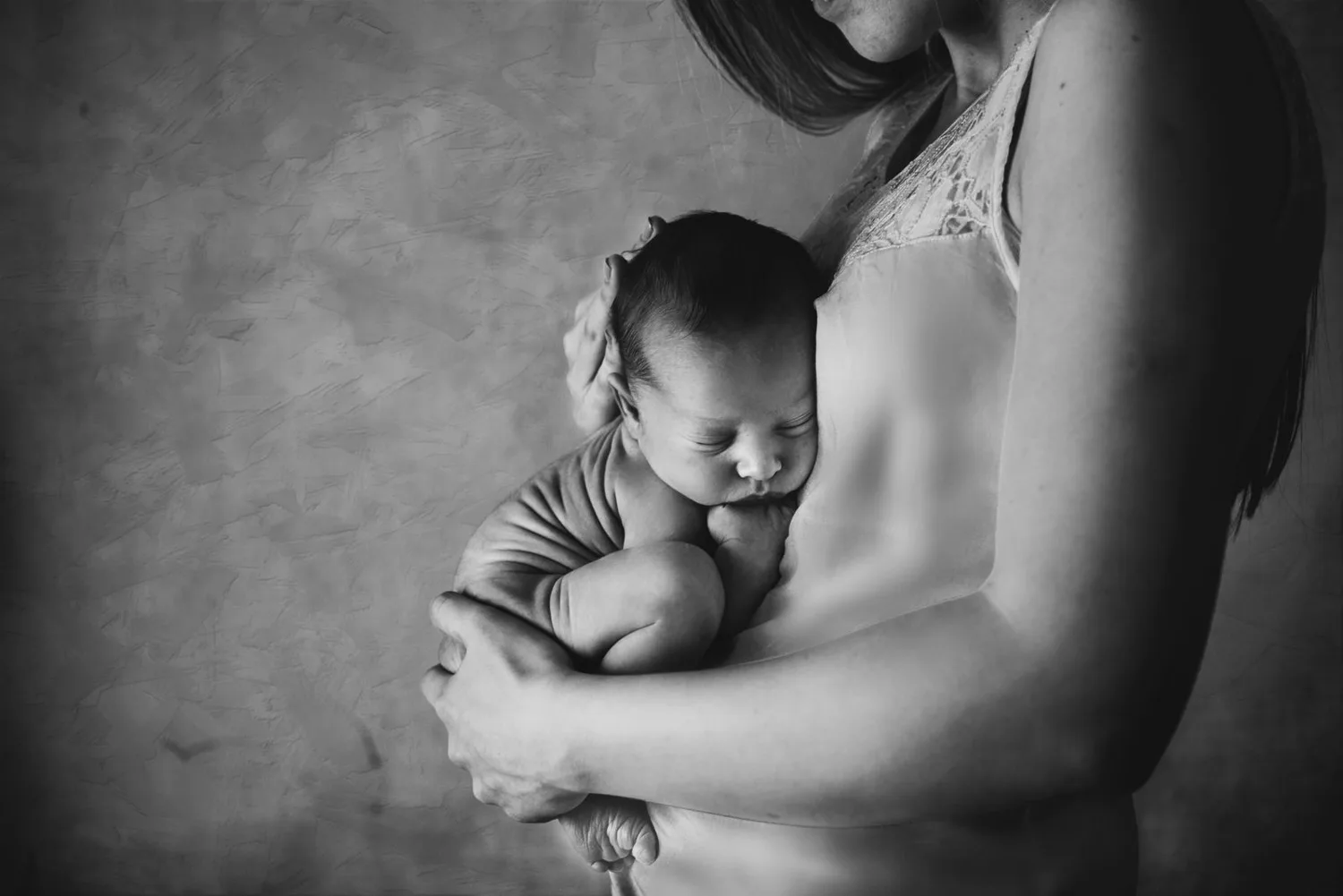

Nobody hands you a leaflet that says "your body will now do some very strange things for six weeks". Antenatal classes cover the birth in loving detail, then stop at the exact moment the baby arrives, as if the story ends there. For the person who has just given birth, it very much doesn't.
The first six weeks are a recovery period, whether you had a quick vaginal birth, a long one with stitches, or a caesarean. Most of what happens is normal, even when it doesn't feel it. A few things are not, and it helps to know the difference before you're googling at 3am with a baby on your chest. Here's what the NHS says you can expect, in plain English.
Bleeding: heavier, and longer, than anyone mentions
After the birth you'll bleed from where the placenta was attached. The NHS says this carries on for a few weeks, gradually turning brownish and getting lighter until it stops. It can get heavier and redder while you breastfeed, because feeding makes your womb contract. That's normal, if slightly alarming the first time.
- Use pads, not tampons. Super-absorbent period pads are the order of the day. The NHS advises against tampons until after your 6-week postnatal check, as they could raise the risk of infection.
- Change pads regularly and wash your hands before and after.
- Mention clots. If you're losing blood in large clots, tell your midwife, as you may need treatment.
Afterpains, and why feeding sets them off
Those cramps that feel a lot like period pain, often right in the middle of a feed, are your womb contracting back down. The NHS notes that breastfeeding helps the womb contract, which is why they tend to arrive on cue. If the pain is severe, constant, or comes with a high temperature, that's a different story (more on that below).
Stitches, stinging and the first poo
If you had a tear or an episiotomy, the NHS guide to perineal tears says stitches usually dissolve on their own and should heal within a month of the birth. In the meantime:
- Keep it clean. Bathe daily in plain warm water and pat dry carefully.
- Rinse as you go. Pouring warm water over the area while you wee can take the sting out, and drinking plenty of water helps dilute your urine.
- Give it air. Lying on a towel without underwear for around 10 minutes once or twice a day may help.
- Ask before you buy painkillers. Paracetamol is safe while breastfeeding, and ibuprofen is thought to be, but check with a doctor, pharmacist or midwife first. Aspirin isn't recommended. Pain lasting beyond 2 to 3 weeks is unusual, so mention it if it does.
Now, the first poo. You may not go for a few days, and that's fine. To keep things moving, the NHS suggests fruit, veg, wholegrains and lots of water. When the moment comes, hold a clean pad or folded tissue gently against your stitches and try not to strain. It feels like a big moment. It's over quicker than you think.
Recovery isn't a race, and nobody is handing out medals for being "back to normal" by week three.
Leaks, piles and your pelvic floor
Leaking a little wee when you laugh, cough or sneeze is quite common after birth. So are piles, which the NHS says usually clear up within a few days or weeks; avoid straining, and ask a midwife or pharmacist about soothing creams.
Pelvic floor exercises really do help. The NHS post-pregnancy body guide suggests squeezing the muscles around your bottom and vagina, holding long squeezes for no longer than 10 seconds, then doing short quick ones. Aim for 10 of each, at least 3 times a day, breathing normally. Doing a set every time you go to the loo is an easy way to remember. If leaking doesn't improve, tell the GP at your postnatal check; they can refer you to a physiotherapist.
Boobs, tummy and everything in between
Around day three or four, as your milk comes in, your breasts may feel tight and tender. A supportive nursing bra helps, and if you're very uncomfortable, speak to your midwife.
Your tummy will probably still look pregnant for a while, partly because your muscles have stretched. The NHS says your stomach muscles often separate by about 2 finger widths in pregnancy, and the gap usually returns to normal by around 8 weeks. Go gently: no sit-ups, planks or heavy lifting just yet. If you're curious about when to start moving again, your 6 to 8 week check is the moment to ask.
The signs that mean calling someone today
Most of the above is uncomfortable but expected. The NHS lists a handful of symptoms where you should contact your midwife, health visitor or GP straight away:
- Sudden or very heavy bleeding, feeling faint or a racing heartbeat.
- A high temperature with a sore, tender tummy.
- Pain, swelling or redness in one calf.
- Chest pain or difficulty breathing.
- A headache, changes in your vision, or vomiting.
- Stitches that get more painful, look red and swollen, or have a smelly discharge.
If you can't get hold of anyone, call NHS 111. If it feels like an emergency, especially heavy bleeding, chest pain or difficulty breathing, call 999. You will never be wasting anyone's time.
Contraception, already?
Yes, already. Feel free to laugh. The NHS says you can get pregnant as soon as 3 weeks after the birth, even if you're breastfeeding and your periods haven't come back, and advises sorting contraception within 21 days of giving birth. Your midwife or GP can talk you through the options.
Be kind to the body that did this
Six weeks can feel like forever when you're sitting on a cushion and changing pads every few hours. Then it's suddenly over and you realise you haven't once thought about yourself. Rest when you can, accept every offer of a meal, and say the embarrassing things out loud to someone qualified to hear them.
And if it's your mood rather than your body that feels off, that matters just as much. Our guide to postnatal depression and when to get help is a good place to start, and on the rough days, this one is for you. For the baby side of things, here are the totally normal newborn things that worry every new parent.
This article is general information, not medical advice. Every birth and every recovery is different. If you're worried about any symptom, speak to your midwife, health visitor or GP, call NHS 111, or call 999 in an emergency.
If you’re trying to conceive (TTC), you probably know that there are certain foods and nutrients that become especially important once you’re pregnant. But nutrition plays a vital role even when trying to conceive, much like laying a strong foundation before constructing a house.
Certain nutrients create that foundation by supporting egg and sperm health (yes, nutrition matters for both partners), hormone balance and creating a hospitable environment for a fertilized egg to implant. In fact, studies show that certain nutrients can help increase fertility and improve success rates for both natural conception and fertility treatments.
In other words, nutrition is a key player in the TTC journey, but getting the right nutrients in the right quantities can be tricky. That’s where supplements come in. Just as you’d take a multivitamin to fill in nutritional gaps for optimal health, fertility supplements can give you that extra nutrient boost.
Choosing supplements for your fertility journey
When choosing a supplement to support your fertility journey, look for science-backed, high-quality ingredients. Our editors are careful to select and partner with brands that use ingredients that have been clinically studied to support fertility. Eu Natural® (pronounced you) covers all those bases and more. We love knowing that Eu Natural® products contain zero artificial additives, binders, or fillers and are lab-tested to ensure purity and potency.

When choosing a supplement to support your fertility journey, look for science-backed, high-quality ingredients. Our editors are careful to select and partner with brands that use ingredients that have been clinically studied to support fertility. Eu Natural® (pronounced you) covers all those bases and more. We love knowing that Eu Natural® products contain zero artificial additives, binders, or fillers and are lab-tested to ensure purity and potency.