Newborn · Crying and sleep
Baby crying at 3am? The six things to check first
It's dark, you're exhausted and the crying won't stop. Here's a calm, practical checklist to run through in the small hours, the signs that mean it's time to call for help, and what to do when you're the one who needs a minute.

There's a particular kind of quiet at 3am, and a newborn will always find a way to fill it. You've fed them, changed them, rocked them, and they're still going. Your brain feels like wet cotton wool and every idea you had at 9pm has left the building.
First, the reassuring bit. Crying is how babies communicate, and newborns do a lot of it. The NHS says the amount babies cry tends to increase from around 2 weeks old and then gradually reduces at around 3 months. So if you're in the thick of it right now, you're right in the middle of the loudest stretch, not doing something wrong.
Second, the practical bit. When you can't think straight, a short checklist does the thinking for you. Here are the six things to check first, roughly in order.
1. Are they hungry?
Hunger is top of the NHS list of reasons babies cry, and night feeds are part of the deal. Newborns have tiny tummies and need feeding little and often, round the clock. If it's been a while, or they're rooting, smacking their lips or sucking their hands, offer a feed first. Cluster feeding, where a baby wants to feed on and off for hours, is common in the evenings and early weeks. It's exhausting, but it's normal.
2. Is it the nappy?
A wet or dirty nappy is an easy one to rule out. Keep the lights low, the changing quick and the chat quiet so the night stays feeling like night. Having everything ready next to the changing spot before bed saves a lot of fumbling later.
3. Are they too hot or too cold?
Feel their chest or the back of their neck, not their hands. The Lullaby Trust explains that hands and feet are usually cooler, which is normal, and that hot or sweaty skin means it's time to remove a layer. They recommend a room temperature of 16 to 20°C, and say babies don't need hats indoors. If you're not sure which sleeping bag to use, our guide to what TOG actually means makes the maths easier.
4. Could it be wind or a sore tummy?
Trapped wind is a classic night-time culprit. Try winding them upright against your shoulder or sitting on your lap, and give it a few minutes longer than feels necessary. If your baby cries for long spells, often at the same time of day, and seems in discomfort despite being otherwise well, it may be colic, which the NHS says can happen in babies under 5 months. Our piece on what colic is and how to help goes into more detail.
5. Are they overtired, overstimulated or just after a cuddle?
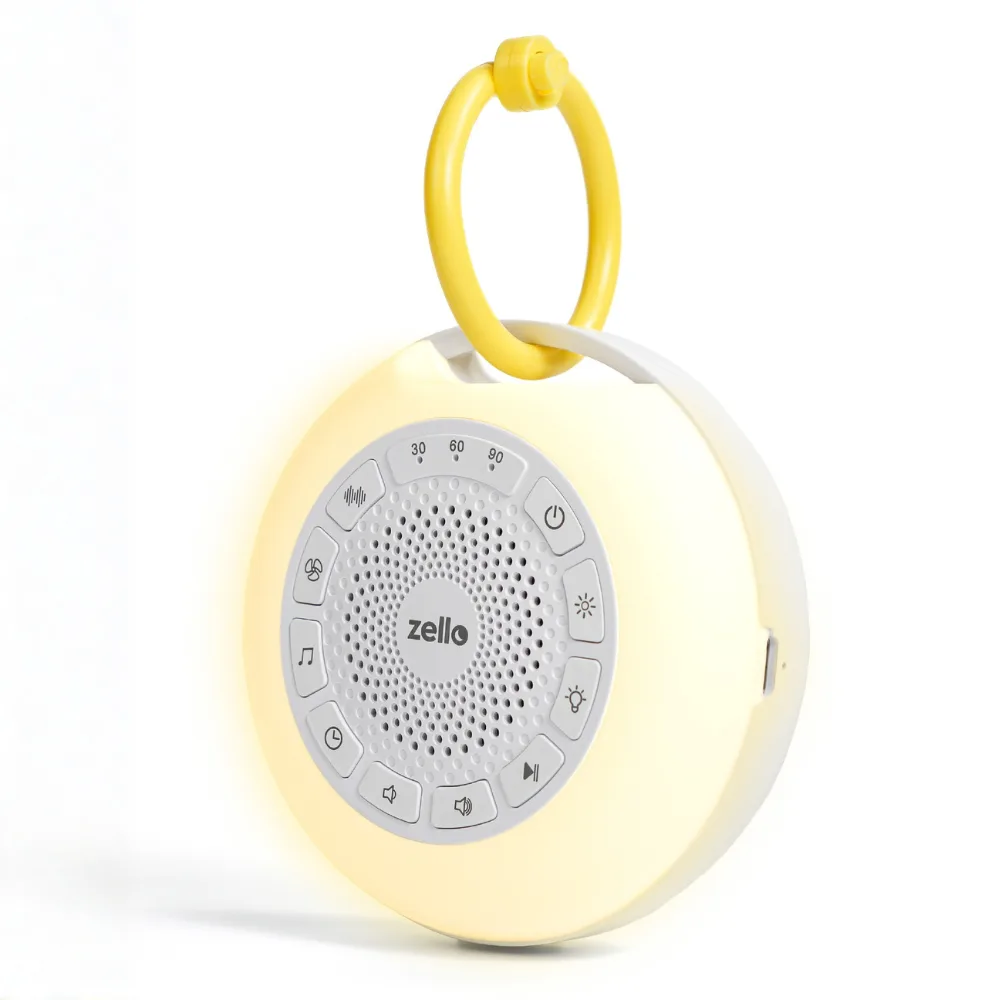
Sometimes nothing is wrong at all, and they simply want you. The NHS lists tiredness, overstimulation and wanting a cuddle among the everyday reasons babies cry. Holding them close, swaying, gentle shushing or some quiet background noise can all help. Keep it dim and calm, and try not to add more in: another toy, another song, another room. At 3am, boring is your friend.
At 3am, boring is your friend. Dim lights, quiet voices, the same few moves on repeat.
6. Could they be unwell?
This is the one to keep in the back of your mind. The NHS advises calling your GP or NHS 111 if your baby is crying constantly and you can't console or distract them, or the cry doesn't sound like their normal cry, especially alongside signs like a high temperature or not wanting to feed. For young babies, the NHS treats a temperature of 38°C or higher under 3 months, or 39°C or higher at 3 to 6 months, as a reason to get urgent help.
Call 999 if your baby:
- has a fit (seizure)
- has blue, grey, pale or blotchy skin, lips or tongue
- is unresponsive, floppy or not waking up as easily as usual
- has difficulty breathing
- is being violently sick a lot (projectile vomiting)
- has a rash that does not fade when you press it
- has not had a wet nappy in the past 8 hours
You know your baby. If something feels off, 111 is there for exactly this, at any hour.
And then check on you
If you've been through the list and they're still crying, it's not a failure. Some nights are just like this. Swap with a partner if you can, even for twenty minutes. If there's nobody to hand over to and you feel the stress rising, the NHS advice is to put your baby down somewhere safe, like their cot, close the door, go into another room and take a few minutes to calm yourself, setting a time limit such as 10 minutes before going back.
However frustrated you feel, never shake a baby. The NHS is clear that shaking can cause brain damage. Putting them down safely and stepping away is always the better choice, and it's what good parents do.
If the crying is wearing you down, you're not alone. The Cry-sis helpline, which the NHS recommends, is free on 0800 448 0737, 9am to 10pm, 7 days a week. And for the long view on broken nights, you will sleep again. Probably not tonight. But you will.
This article is general information based on NHS and Lullaby Trust guidance and doesn't replace advice from your midwife, health visitor or GP. If you're worried about your baby, call NHS 111, or 999 in an emergency.
If you’re trying to conceive (TTC), you probably know that there are certain foods and nutrients that become especially important once you’re pregnant. But nutrition plays a vital role even when trying to conceive, much like laying a strong foundation before constructing a house.
Certain nutrients create that foundation by supporting egg and sperm health (yes, nutrition matters for both partners), hormone balance and creating a hospitable environment for a fertilized egg to implant. In fact, studies show that certain nutrients can help increase fertility and improve success rates for both natural conception and fertility treatments.
In other words, nutrition is a key player in the TTC journey, but getting the right nutrients in the right quantities can be tricky. That’s where supplements come in. Just as you’d take a multivitamin to fill in nutritional gaps for optimal health, fertility supplements can give you that extra nutrient boost.
Choosing supplements for your fertility journey
When choosing a supplement to support your fertility journey, look for science-backed, high-quality ingredients. Our editors are careful to select and partner with brands that use ingredients that have been clinically studied to support fertility. Eu Natural® (pronounced you) covers all those bases and more. We love knowing that Eu Natural® products contain zero artificial additives, binders, or fillers and are lab-tested to ensure purity and potency.

When choosing a supplement to support your fertility journey, look for science-backed, high-quality ingredients. Our editors are careful to select and partner with brands that use ingredients that have been clinically studied to support fertility. Eu Natural® (pronounced you) covers all those bases and more. We love knowing that Eu Natural® products contain zero artificial additives, binders, or fillers and are lab-tested to ensure purity and potency.

.png)




.png)