
Sleep
Baby sleep in autumn: what TOG actually means
As the clocks change and the nursery cools, dressing a baby for sleep turns into a nightly guessing game. Here is what TOG really means, what to aim for, and how to end the 2am blanket wars.
The first properly cold night of the year has a way of turning a calm bedtime into a quiet panic. Too many layers and they overheat, too few and they wake cold at 5am, and somewhere in the middle sits a number on a label that nobody ever explained. That number is TOG, and once it clicks it takes most of the guesswork out of autumn nights.
What TOG actually measures
TOG is a measure of warmth, not thickness. It tells you how well a sleeping bag, suit or blanket holds heat in, on a simple scale where a higher number means a warmer layer. A 0.5 TOG is a summer-weight layer, a 1.0 TOG suits the milder shoulder seasons, and a 2.5 TOG is your deep-winter option. It is the same idea as choosing a duvet, just scaled down to someone who cannot yet tell you they are chilly.
Match the TOG to the room, not the calendar
The date on the calendar matters less than the temperature in the room. A well-heated flat in October can sit warmer than a draughty bedroom in March, so the honest approach is to check the nursery with a simple room thermometer and dress to that. As a rough guide, most families move from a 0.5 to a 1.0 TOG as evenings draw in, then to a 2.5 TOG once the heating goes off overnight and rooms dip lower.
Getting the room temperature right
The widely recommended range for a baby's room is around 16 to 20 degrees. If the room runs warmer, drop down a TOG or use a lighter layer underneath rather than reaching for a heavier bag. If it runs colder, add a vest or a long-sleeved sleepsuit under the same TOG instead of piling on loose blankets, which are not safe for young babies.
A baby cannot pull a blanket back up at 3am. A well-chosen sleeping bag or suit does the remembering for them.
Why a sleeping suit beats a blanket
The moment a baby starts rolling, kicking and eventually standing, blankets and legless sleeping bags stop working. They end up in a heap at the bottom of the cot by midnight, and the warmth you carefully planned is now keeping the mattress cosy instead of the baby. A wearable sleeping suit with legs solves this by keeping warmth on the child no matter how much they move, which is why so many parents switch to one for the colder, wrigglier months.
An autumn pick worth a look
If you want a specific one to consider, the Sleeping Stars Hedgehog sleeping suit is a 1.0 TOG made for exactly these in-between nights, soft enough for restless sleepers and warm enough for a room that has cooled but not yet gone full winter. As with anything sleep-related, treat it as one option to weigh up rather than a rule.
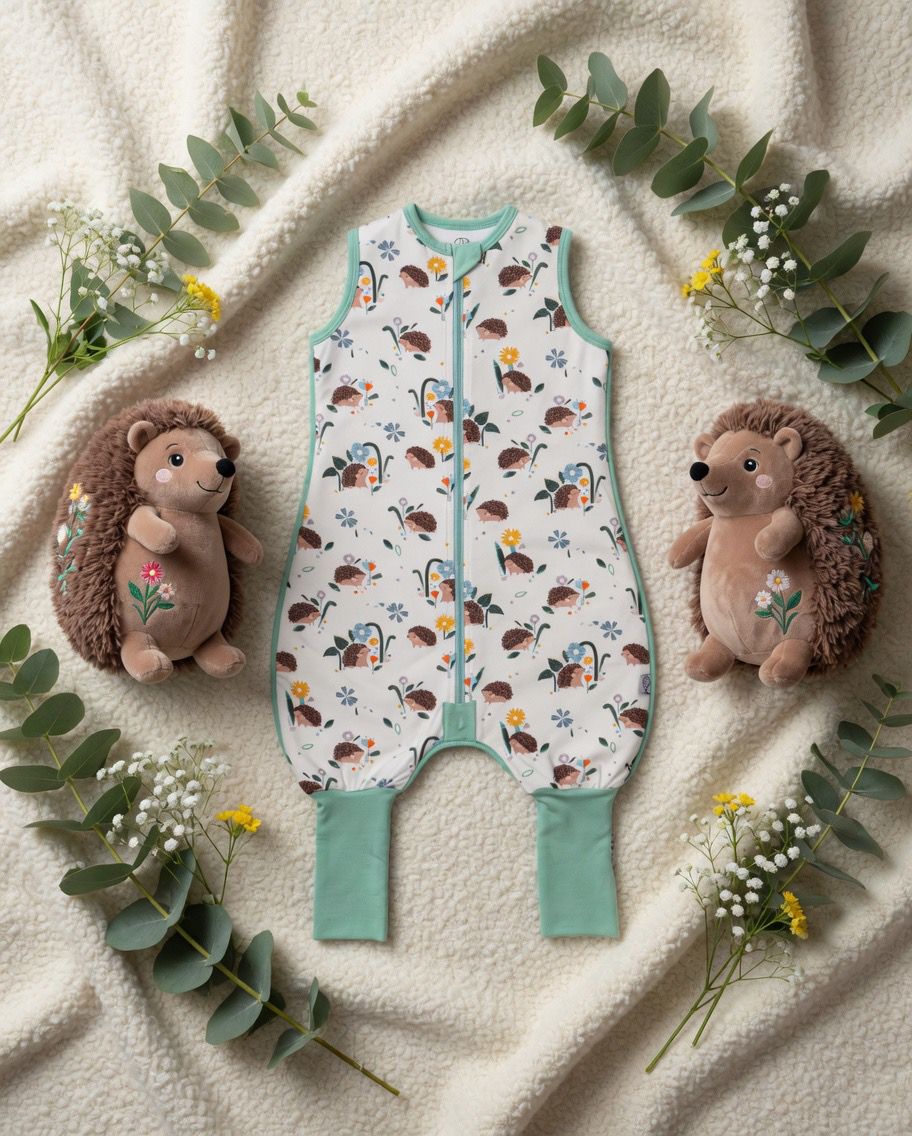
Hedgehog Toddler Sleeping Suit. A wearable suit with legs, 1.0 TOG, made for the milder autumn nights.
£45 · Sleeping Stars
Shop the hedgehog suitSafer sleep always comes first. Follow current safer-sleep guidance on room temperature, layering and a clear cot, and speak to your health visitor if you are unsure what your baby should wear to sleep. This article features Sleeping Stars, who are working with Motherhood on a gifted collaboration. We only feature products we would genuinely point a friend towards.
If you’re trying to conceive (TTC), you probably know that there are certain foods and nutrients that become especially important once you’re pregnant. But nutrition plays a vital role even when trying to conceive, much like laying a strong foundation before constructing a house.
Certain nutrients create that foundation by supporting egg and sperm health (yes, nutrition matters for both partners), hormone balance and creating a hospitable environment for a fertilized egg to implant. In fact, studies show that certain nutrients can help increase fertility and improve success rates for both natural conception and fertility treatments.
In other words, nutrition is a key player in the TTC journey, but getting the right nutrients in the right quantities can be tricky. That’s where supplements come in. Just as you’d take a multivitamin to fill in nutritional gaps for optimal health, fertility supplements can give you that extra nutrient boost.
Choosing supplements for your fertility journey
When choosing a supplement to support your fertility journey, look for science-backed, high-quality ingredients. Our editors are careful to select and partner with brands that use ingredients that have been clinically studied to support fertility. Eu Natural® (pronounced you) covers all those bases and more. We love knowing that Eu Natural® products contain zero artificial additives, binders, or fillers and are lab-tested to ensure purity and potency.

When choosing a supplement to support your fertility journey, look for science-backed, high-quality ingredients. Our editors are careful to select and partner with brands that use ingredients that have been clinically studied to support fertility. Eu Natural® (pronounced you) covers all those bases and more. We love knowing that Eu Natural® products contain zero artificial additives, binders, or fillers and are lab-tested to ensure purity and potency.








.png)