Becoming a mum overwhelmed every part of my neurodivergent brain – I wish I’d known I wasn’t alone.
When I pictured becoming a mum, I never imagined that one of the hardest parts would be wondering why I wasn’t experiencing it in the way I thought other women did. I wanted my baby enormously, yet pregnancy affected me in ways I was completely unprepared for, and after she arrived I found myself comparing how I actually felt with all the things I had absorbed about how motherhood was meant to feel. For a long time, that difference made me believe I was doing something wrong.
Finding out I was neurodivergent
I had started to understand that I was neurodivergent before I became pregnant. An autism diagnosis within my family prompted me to look differently at my own life, and a Do-IT Profiler later identified ADHD traits and dyscalculia. Suddenly there was an explanation for things I had spent years treating as flaws in myself, including why I would begin tasks and leave them unfinished, why numbers had always been so difficult, and why my brain seemed to work differently from the people around me. I joined the pathway towards a formal assessment around two years ago, but after being told the wait could be roughly 15 years, I knew I needed to start understanding myself in the meantime.
When pregnancy turned the volume up
Then I became pregnant with Gianna, and it felt as though somebody had turned the volume up on everything. Pregnancy meant constant changes inside my body that I had no control over, and I found the physical side incredibly intense. I was sick and exhausted, being touched could become too much, I was frequently too hot, and there was never an opportunity to remove myself from the sensations because they were happening inside me. At the same time, I was frightened for my baby and desperately wanted reassurance that everything was okay.
The early months were especially difficult because there was very little I could physically sense that told me my baby was safe. Before movements began, I sometimes took another pregnancy test simply because seeing a positive result gave me something concrete to hold onto. I also researched relentlessly because gathering information has always helped me cope with uncertainty, but pregnancy taught me that information can become another source of anxiety when your brain wants to account for every possibility. The more outcomes I discovered, the more material I had to worry about.
Finding support that understood how my brain works
I was receiving NHS maternity care and felt cared for, but I also realised that I needed somebody to help me make sense of pregnancy through the lens of neurodivergence. I first came across CocoonHealthcare when waiting for my 12-week scan felt too difficult, and later started working one-to-one with their Lead Midwife, Kate Mortimer, with my husband Joe often joining us. What mattered to me was having somewhere I could describe exactly what was going on in my head and then work out what might genuinely help.
Some of those changes were remarkably practical. I found being asked to put pain on a numerical scale difficult, so Kate helped us build facial expressions into my birth plan instead. We also talked through different possibilities for labour because I was worried that if events moved quickly, I might become too overwhelmed to communicate what I needed. I could never make childbirth predictable, but understanding what different scenarios might involve made them less frightening.
The birth I couldn’t have planned for
That preparation mattered when I noticed reduced fetal movement later in pregnancy. By then I had spent months interrogating my own fears, and I had become so accustomed to wondering whether anxiety was distorting things that I hesitated over whether I should seek help. I did get checked, and Gianna eventually needed to be born by emergency c-section. The carefully prepared birth plan stayed in the bag, but the conversations behind it were still invaluable because Joe and I had already discussed what a c-section could look like. In a situation that could easily have sent me into complete panic, there was at least some familiarity.
The overwhelm after she arrived
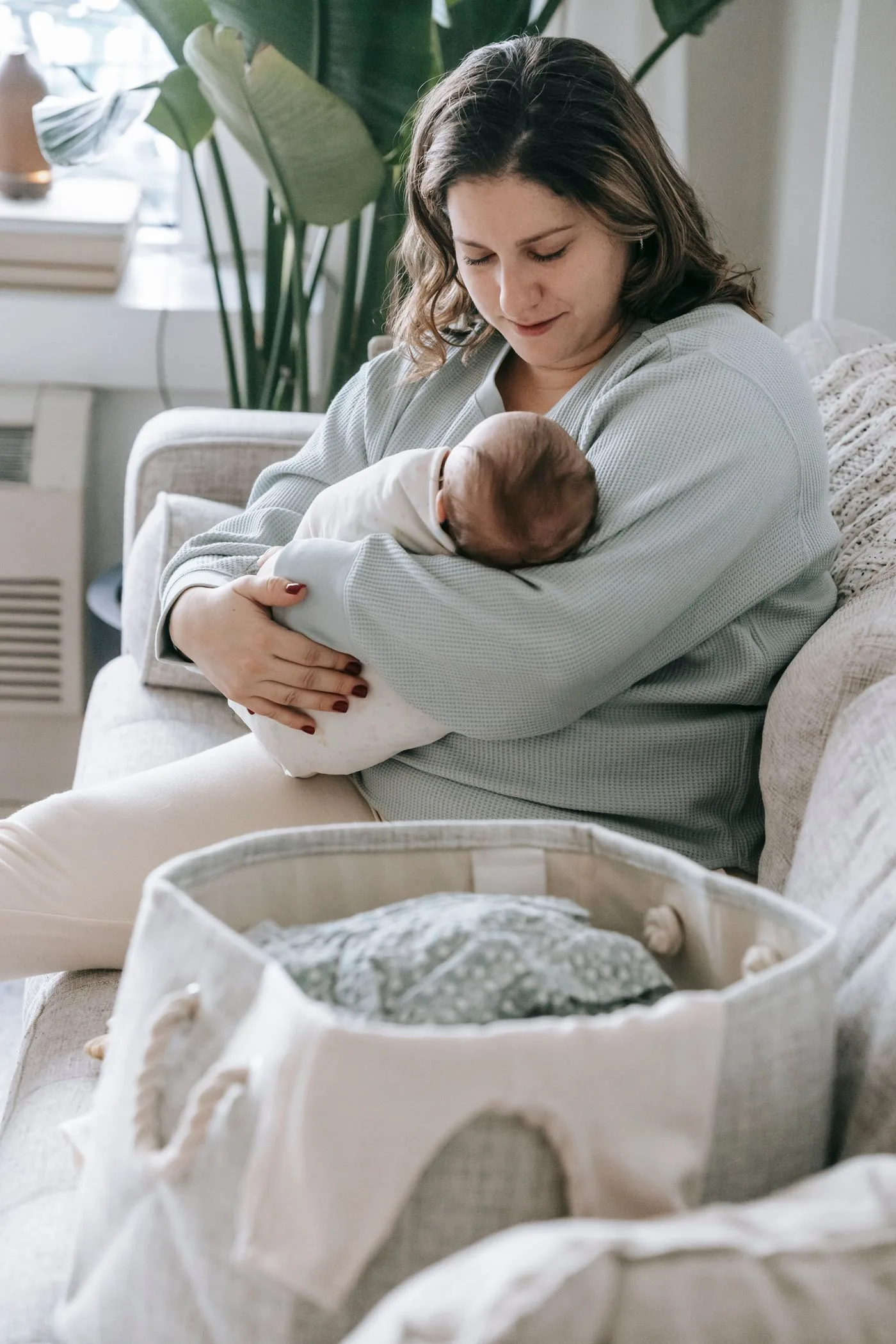
I assumed the hardest part was over once Gianna was safely born, but early motherhood brought a different kind of overwhelm. I had expected to meet my daughter and immediately experience that enormous emotional surge we hear so much about. My reality was much more complicated. I loved her, but I didn’t instantly feel the bond I had expected, and because I thought that bond was supposed to appear automatically, I felt deeply guilty about its absence.
There was a moment about two weeks after the birth when Gianna was crying and I looked at Joe and asked, “What have I done?”. I loved her dearly, but it came from being completely overwhelmed by how suddenly and permanently my life had changed. Throughout pregnancy I had been so afraid of losing my baby that I had almost stopped myself imagining the future with her, and now that future had arrived all at once.
Breastfeeding intensified the sensory side of those first weeks. My body had already felt beyond my control throughout pregnancy, and now I was exhausted, constantly being touched and struggling to find any physical space for myself. The hardest part was the shame I attached to those feelings. I interpreted needing time alone as something a loving mother shouldn’t want, rather than recognising that my brain sometimes needed a chance to recover from the amount of sensory and emotional input it was processing.
I wasn’t doing motherhood wrong. I was just doing it as a neurodivergent brain, not the one every book described.
What I’d tell myself now
Gradually, I stopped asking whether I was experiencing motherhood correctly and started asking what Gianna and I actually needed. That shift changed so much for me. She is one now, and I love being her mum. I also know that sometimes I need quiet and space to reset, and accepting that has made motherhood easier rather than making me any less devoted to her.
I would love another child, even knowing how difficult pregnancy was for me, but I would enter another pregnancy with a very different understanding of myself. I would know much earlier that needing reassurance, finding bodily changes overwhelming or struggling with uncertainty are things I can talk about rather than hide because I am embarrassed by them.
I am sharing my experience because I know there will be other neurodivergent mums and mums-to-be wondering why something they wanted so much can also feel so difficult. I wish I had understood sooner that there was no single emotional template I had to follow, and that becoming overwhelmed did not cancel out how much I loved my child. Motherhood started to feel more like mine when I stopped trying to force myself into an experience that belonged to somebody else.
If you’re trying to conceive (TTC), you probably know that there are certain foods and nutrients that become especially important once you’re pregnant. But nutrition plays a vital role even when trying to conceive, much like laying a strong foundation before constructing a house.
Certain nutrients create that foundation by supporting egg and sperm health (yes, nutrition matters for both partners), hormone balance and creating a hospitable environment for a fertilized egg to implant. In fact, studies show that certain nutrients can help increase fertility and improve success rates for both natural conception and fertility treatments.
In other words, nutrition is a key player in the TTC journey, but getting the right nutrients in the right quantities can be tricky. That’s where supplements come in. Just as you’d take a multivitamin to fill in nutritional gaps for optimal health, fertility supplements can give you that extra nutrient boost.
Choosing supplements for your fertility journey
When choosing a supplement to support your fertility journey, look for science-backed, high-quality ingredients. Our editors are careful to select and partner with brands that use ingredients that have been clinically studied to support fertility. Eu Natural® (pronounced you) covers all those bases and more. We love knowing that Eu Natural® products contain zero artificial additives, binders, or fillers and are lab-tested to ensure purity and potency.

When choosing a supplement to support your fertility journey, look for science-backed, high-quality ingredients. Our editors are careful to select and partner with brands that use ingredients that have been clinically studied to support fertility. Eu Natural® (pronounced you) covers all those bases and more. We love knowing that Eu Natural® products contain zero artificial additives, binders, or fillers and are lab-tested to ensure purity and potency.
.webp)
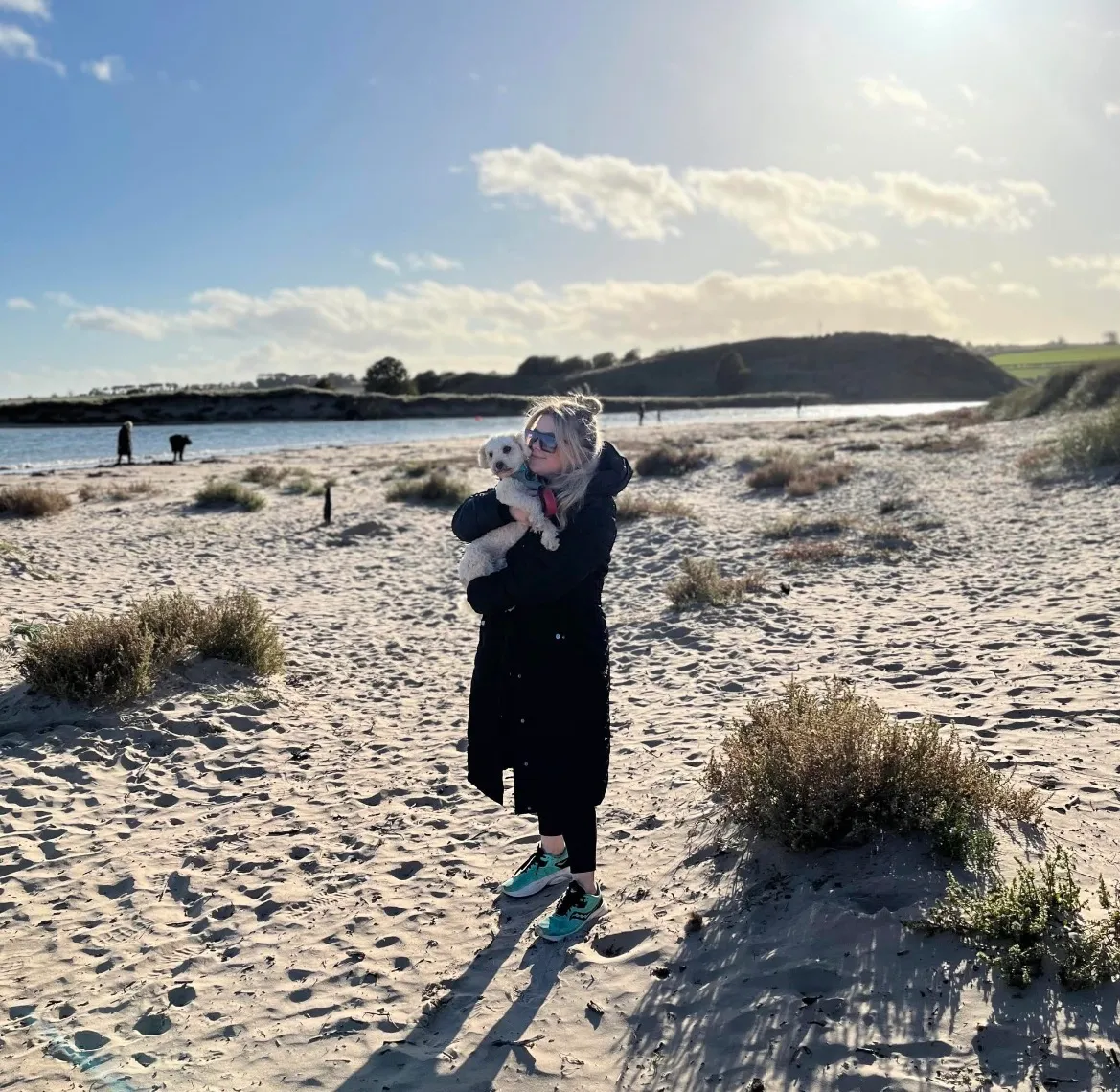
Ella Smith-Dunn, 29, is a Harrogate-based HR professional and mum to one-year-old Gianna and is sharing her experience through a Cocoon Healthcare awareness drive around neurodivergent pregnancy and motherhood. Cocoon Healthcare provides personalised pregnancy and midwifery support in Yorkshire and virtually across the UK. Find out more at www.Cocoon-Hgt.com