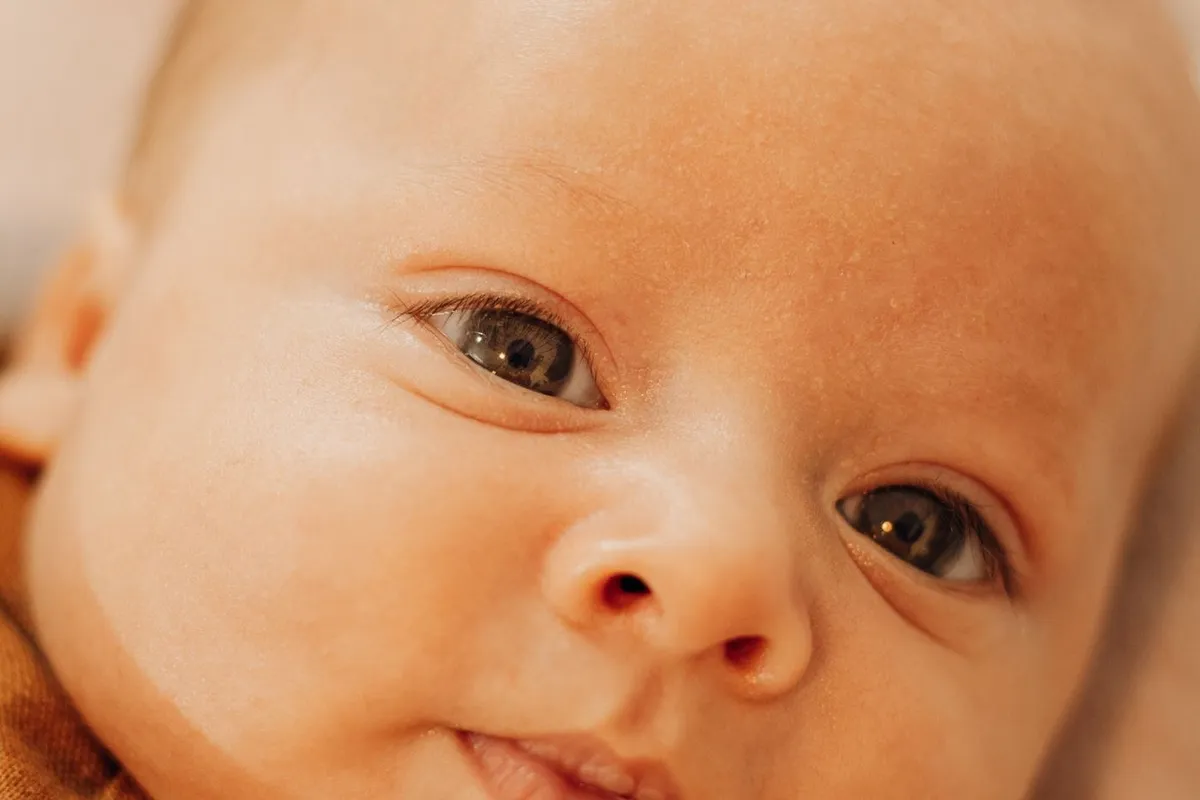
Babies get a lot of rashes. Most are harmless and clear up on their own, especially in the first few weeks. But a rash can occasionally be a sign of something serious, so it helps to know the difference, and to know the glass test before you ever need it.
First, the urgent signs
Call 999 if your baby or child has a rash and is unwell with any of these: a rash that looks like small bruises or bleeding under the skin and doesn't fade when you press a glass on it; a stiff neck or dislike of bright lights; confusion, unusual drowsiness or not responding as normal; fast breathing, struggling to breathe or grunting; pale, blue, grey or blotchy skin, lips or tongue; or sudden swelling of the lips, mouth, tongue or throat. Don't drive them yourself.
How to do the glass test
Press the side of a clear glass firmly against the rash. If you can still see the spots through the glass, the rash doesn't fade. A non-fading rash in a child who seems unwell is a reason to call 999 straight away. On brown or black skin, rashes can be harder to see, so check paler areas like the palms of the hands, soles of the feet, the tongue, lips and inside the eyelids.
Common newborn rashes (usually harmless)
- Baby acne. Small spots on the face, scalp or body in the first few weeks. It usually clears without any treatment.
- Milia. Tiny white or yellow spots, often on the nose. They usually go within a few weeks.
- Erythema toxicum. Red blotches with small yellow or white spots in the first days or weeks after birth. They come and go and settle on their own.
- Cradle cap. Greasy, yellowish scales on the scalp. Not itchy or sore, and it gets better over time.
Most baby rashes look worse than they are. The glass test and how your baby is in themselves tell you most of what you need to know.
Other common rashes
- Nappy rash. Red, sore skin in the nappy area. Change nappies often, give some nappy-free time and use a barrier cream. See a pharmacist or GP if it doesn't improve.
- Heat rash. Small, raised, itchy or prickly spots. Keep your baby cool and dress them in light layers.
- Eczema. Dry, itchy, sometimes cracked skin, often behind the knees, in the elbow creases or on the neck and face in babies. Talk to your GP.
- Hives. Raised, itchy bumps or patches, often from an allergic reaction. Call 999 if there's swelling of the face, lips or tongue, or breathing problems.
- Hand, foot and mouth disease. A fever and sore throat, followed by mouth ulcers and spots on the hands and feet. It usually gets better in 7 to 10 days.
- Chickenpox. Itchy spots that turn into blisters, then scab over. Keep them off nursery until every spot has crusted over.
- Slapped cheek. A bright red rash on the cheeks, often after a few days of feeling unwell. It usually fades within 1 to 3 weeks.
- Scarlet fever. A rough, sandpapery rash after flu-like symptoms, sometimes with a red "strawberry" tongue. See your GP, as it needs antibiotics.
- Impetigo. Sores or blisters that burst and leave crusty, golden-brown patches. Speak to a pharmacist, or see your GP for babies under 1.
When to get urgent advice
Call NHS 111 or your GP for urgent advice if you're worried about a rash and not sure what to do, or if your baby:
- is under 3 months and has a temperature of 38C or higher
- is 3 months or older and has a temperature of 39C or higher
- feels hotter than usual, is sweaty or shivery
Trust your instincts. You know your baby better than anyone. If something feels wrong, get them checked.
When should I worry about a rash on my baby?
Call 999 if the rash doesn't fade under a glass and your baby is unwell, or if they have breathing problems, swelling of the face or lips, a stiff neck, or are unusually drowsy. Call NHS 111 or your GP if you're worried or they have a high temperature.
How do you do the glass test for a rash?
Press the side of a clear glass firmly on the rash. If the spots don't fade and can still be seen through the glass, and your child is unwell, call 999.
Are spots on a newborn's face normal?
Yes. Baby acne, milia and erythema toxicum are all common in the first weeks and usually clear up without treatment.
What does heat rash look like on a baby?
Small, raised, red spots that can be itchy or prickly, often where your baby is warmest. Keeping them cool usually helps it settle.
Keep reading
- Is it teething or is my baby ill? The signs that are (and aren't) teeth
- Your baby's first cold: what's normal, what helps and when to call 111
- Building immunity early: a new mum's guide to autumn and winter
- Baby first aid: how to prevent the most common accidents
This article is general information, not medical advice. If you're worried about your baby or child, contact your GP or NHS 111, or call 999 in an emergency. See the NHS guide to rashes in babies and children.
If you’re trying to conceive (TTC), you probably know that there are certain foods and nutrients that become especially important once you’re pregnant. But nutrition plays a vital role even when trying to conceive, much like laying a strong foundation before constructing a house.
Certain nutrients create that foundation by supporting egg and sperm health (yes, nutrition matters for both partners), hormone balance and creating a hospitable environment for a fertilized egg to implant. In fact, studies show that certain nutrients can help increase fertility and improve success rates for both natural conception and fertility treatments.
In other words, nutrition is a key player in the TTC journey, but getting the right nutrients in the right quantities can be tricky. That’s where supplements come in. Just as you’d take a multivitamin to fill in nutritional gaps for optimal health, fertility supplements can give you that extra nutrient boost.
Choosing supplements for your fertility journey
When choosing a supplement to support your fertility journey, look for science-backed, high-quality ingredients. Our editors are careful to select and partner with brands that use ingredients that have been clinically studied to support fertility. Eu Natural® (pronounced you) covers all those bases and more. We love knowing that Eu Natural® products contain zero artificial additives, binders, or fillers and are lab-tested to ensure purity and potency.

When choosing a supplement to support your fertility journey, look for science-backed, high-quality ingredients. Our editors are careful to select and partner with brands that use ingredients that have been clinically studied to support fertility. Eu Natural® (pronounced you) covers all those bases and more. We love knowing that Eu Natural® products contain zero artificial additives, binders, or fillers and are lab-tested to ensure purity and potency.