Product round-up · Newborn
5 autumn essentials for newborns (and what you can skip)
The five things actually worth buying for a newborn this autumn, all available in the UK right now, plus what to leave on the shelf and how to dress your baby for chilly days.
The clocks are about to go back, the mornings are crisp and suddenly you're wondering whether your newborn is too hot, too cold or just right. The good news? You don't need a mountain of new kit. These five autumn essentials for newborns cover almost every situation, from chilly pram walks to cooler nights.
Before you shop, it helps to know the basics. The Lullaby Trust recommends keeping your baby's room between 16 and 20°C, and the NHS advises that your baby sleeps in the same room as you for at least the first six months. Everything below is chosen with that in mind.

01 · The everyday layer
Mamas & Papas Cellular Blanket
Cellular blankets have little holes woven into them, so air can flow through while they still trap warmth. That makes them the most useful blanket you'll own: over the pram, in the Moses basket or as an extra layer on a cold walk. This one is soft, breathable and machine washable, in a calm sage that goes with everything.
70 x 100cm · 50% cotton, 50% viscose · Machine washable. Good to know: if you use a blanket in the cot, place your baby feet to foot and tuck it in firmly, no higher than their shoulders.
£15 · Mamas & Papas
Shop the cellular blanket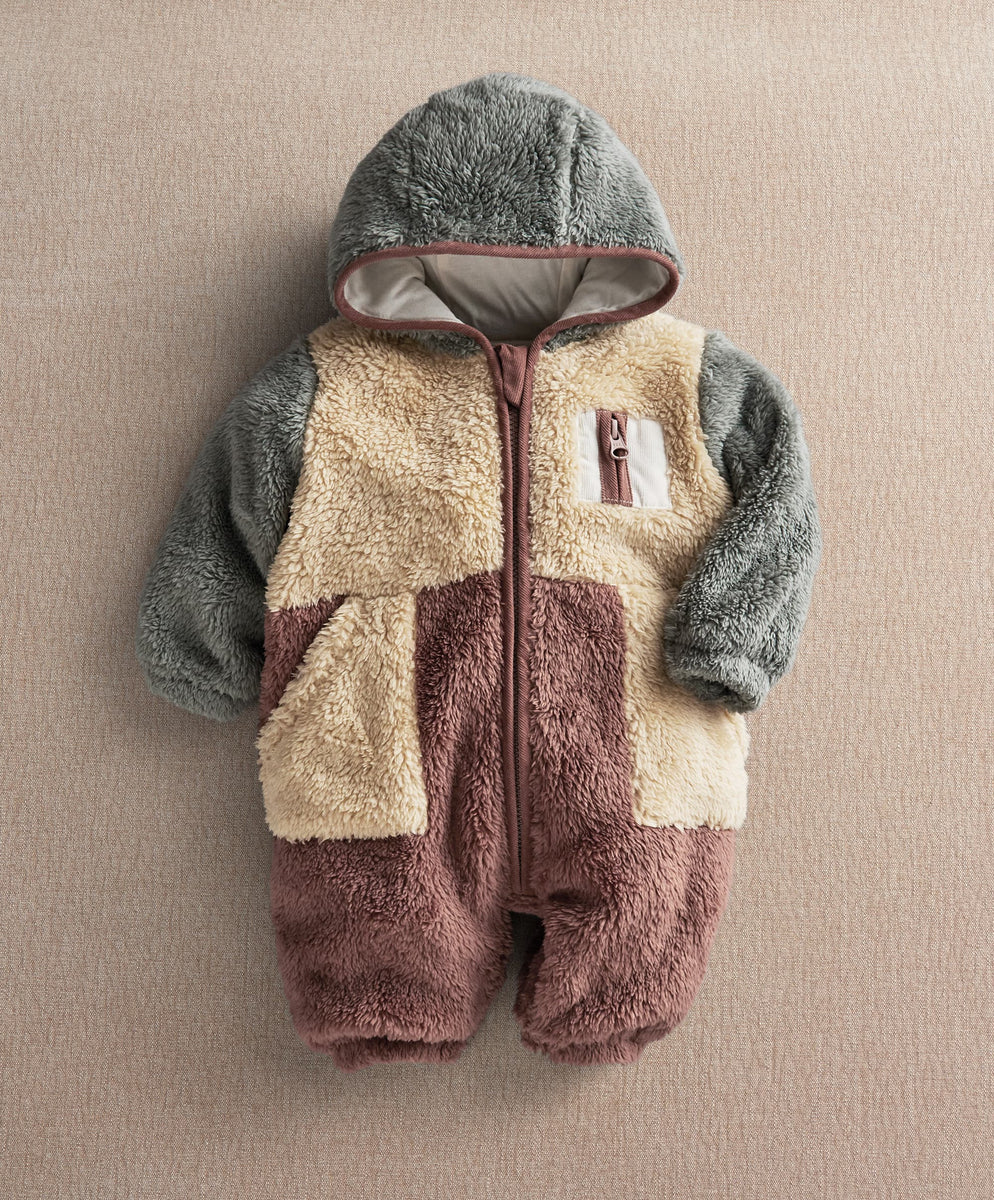
02 · For the cold walks
Mamas & Papas Colour Block Pramsuit
An all-in-one pramsuit means one zip and they're ready for the park. This one is soft teddy fleece with a lined hood, a front zip with a zip guard to protect little chins, and elasticated legs to keep the cold out. It starts from an up-to-1-month size, so it fits properly from the early weeks.
Sizes from up to 1 month to 24 months · Teddy fleece · Front zip with zip guard. Good to know: take the pramsuit off before the car seat, because bulky layers stop the harness fitting snugly. Pop a blanket over the straps instead.
£30 · Mamas & Papas
Shop the pramsuit
03 · The quiet hero
Merino Kids Long Sleeve Envelope Bodysuit
Merino wool is naturally breathable and brilliant at regulating temperature, which is exactly what you need when you go from a cold pavement into a warm café. This bodysuit is 100% superfine merino, soft enough for newborn skin, with an envelope neck and poppers for quick changes.
Sizes newborn to 12 months · 100% superfine merino wool · Wash on a cool wool cycle. For more laundry tips, read our piece on whether detergent sheets are worth it.
£29 · Merino Kids
Shop the merino bodysuit
04 · For colder nights
Silentnight Safe Nights 2.5 TOG Baby Sleeping Bag
A well-fitting baby sleeping bag keeps your little one cosy without any loose bedding. Most brands recommend a 2.5 TOG bag when the nursery is around 16 to 20°C, which is typical for a UK autumn. This one has a soft cotton jersey outer, a zip for easy settling and is machine washable.
0 to 6 months (6 to 18 months also available) · 2.5 TOG · Cotton jersey outer. Good to know: choose the TOG by the room temperature, not the weather, and feel your baby's chest or the back of their neck to check they're not too hot.
£22 · Silentnight (also £25 at Very)
Shop the sleeping bag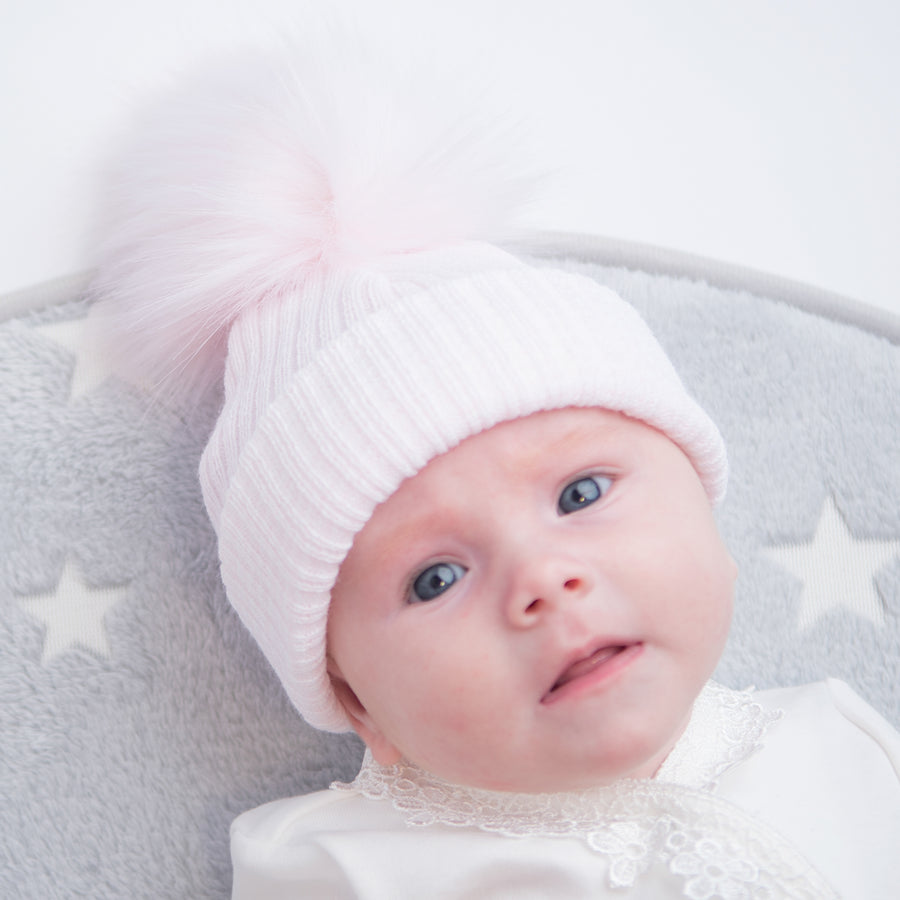
05 · Outdoors only
Millie & Ralph First Size Ribbed Fur Pom Hat
Newborns lose heat quickly on chilly walks, so a soft hat is worth keeping in the changing bag. Millie & Ralph's first-size knitted hats are made for the tiniest heads and come in plenty of colours. Browse the full Millie & Ralph hat collection.
First size, roughly 0 to 1 month · Knitted with a faux fur pom. Good to know: hats are for outdoors. Take it off as soon as you're back inside, and never put your baby to sleep in a hat.
£11.95 · Millie & Ralph
Shop the hatWhat you can skip
Baby duvets, quilts, pillows and cot bumpers. They aren't needed, and they aren't recommended for sleep because of the risk of overheating and suffocation. Put the money towards the five essentials above instead.
How to dress a newborn for autumn
- Indoors: a bodysuit plus a sleepsuit is usually enough in a room of 16 to 20°C.
- For sleep: a bodysuit or sleepsuit plus a 2.5 TOG sleeping bag, following the brand's guide.
- Out for a walk: a base layer, a sleepsuit, a pramsuit and a hat, with a cellular blanket in the pram.
- In the car: no pramsuit or thick coat under the harness. Add a blanket over the top once they're strapped in.
- Check often: feel their chest or neck. If they're hot or sweaty, take a layer off.
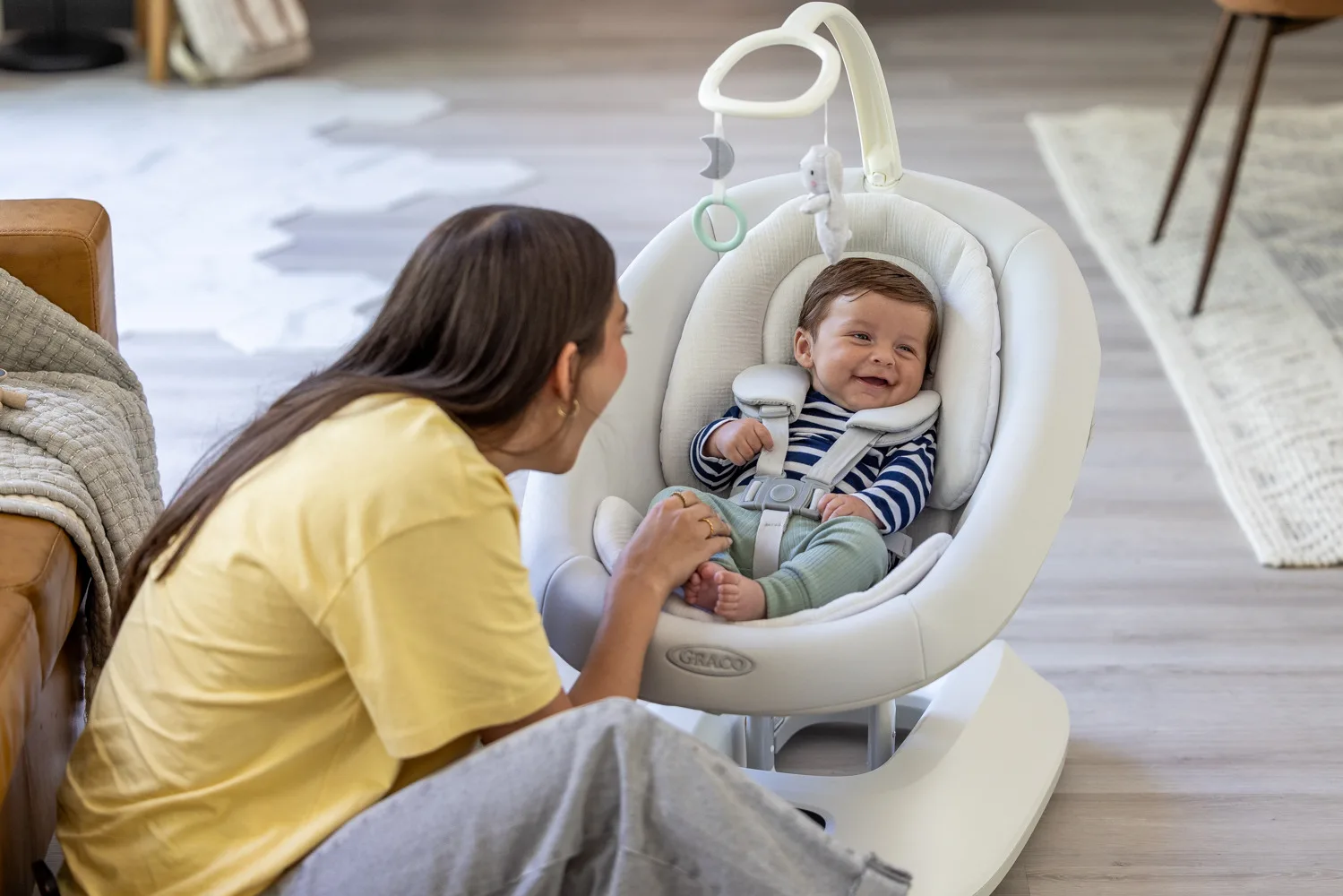
Still setting up for your new arrival? Our newborn money list covers what to sort in month one, and if you're planning for two, here's how to choose a double pram. And for something extra this season, enter our competition to win a Graco Eluma Sway baby swing worth £200.
Frequently asked questions
What should a newborn wear in autumn?
Indoors, a bodysuit and a sleepsuit are usually enough when the room is 16 to 20°C. For walks, add a pramsuit, a soft hat and a cellular blanket. Remove the outdoor layers as soon as you're back inside.
What TOG sleeping bag does a newborn need in autumn?
Most brands recommend a 2.5 TOG sleeping bag for a nursery of around 16 to 20°C, which suits most UK homes in autumn. Always go by the room temperature and the brand's own guide.
What is the right room temperature for a baby?
The Lullaby Trust recommends keeping your baby's room between 16 and 20°C. A simple room thermometer helps you check.
Should my baby wear a hat indoors or to sleep?
No. Babies don't need hats indoors, and they should never sleep in one, because babies cool down through their heads. Hats are for outdoors only.
Can my baby wear a pramsuit in the car seat?
No. Bulky pramsuits and coats stop the car seat harness fitting properly. Take them off, buckle your baby in snugly, then put a blanket over the top.
How do I know if my baby is too hot or too cold?
Feel the back of their neck or their chest. If they feel hot or sweaty, remove a layer. Cool hands and feet on their own are normal.
Prices correct at the time of writing (28 September 2026) and may change. This article is general information and doesn't replace advice from your midwife, health visitor or GP.
If you’re trying to conceive (TTC), you probably know that there are certain foods and nutrients that become especially important once you’re pregnant. But nutrition plays a vital role even when trying to conceive, much like laying a strong foundation before constructing a house.
Certain nutrients create that foundation by supporting egg and sperm health (yes, nutrition matters for both partners), hormone balance and creating a hospitable environment for a fertilized egg to implant. In fact, studies show that certain nutrients can help increase fertility and improve success rates for both natural conception and fertility treatments.
In other words, nutrition is a key player in the TTC journey, but getting the right nutrients in the right quantities can be tricky. That’s where supplements come in. Just as you’d take a multivitamin to fill in nutritional gaps for optimal health, fertility supplements can give you that extra nutrient boost.
Choosing supplements for your fertility journey
When choosing a supplement to support your fertility journey, look for science-backed, high-quality ingredients. Our editors are careful to select and partner with brands that use ingredients that have been clinically studied to support fertility. Eu Natural® (pronounced you) covers all those bases and more. We love knowing that Eu Natural® products contain zero artificial additives, binders, or fillers and are lab-tested to ensure purity and potency.

When choosing a supplement to support your fertility journey, look for science-backed, high-quality ingredients. Our editors are careful to select and partner with brands that use ingredients that have been clinically studied to support fertility. Eu Natural® (pronounced you) covers all those bases and more. We love knowing that Eu Natural® products contain zero artificial additives, binders, or fillers and are lab-tested to ensure purity and potency.