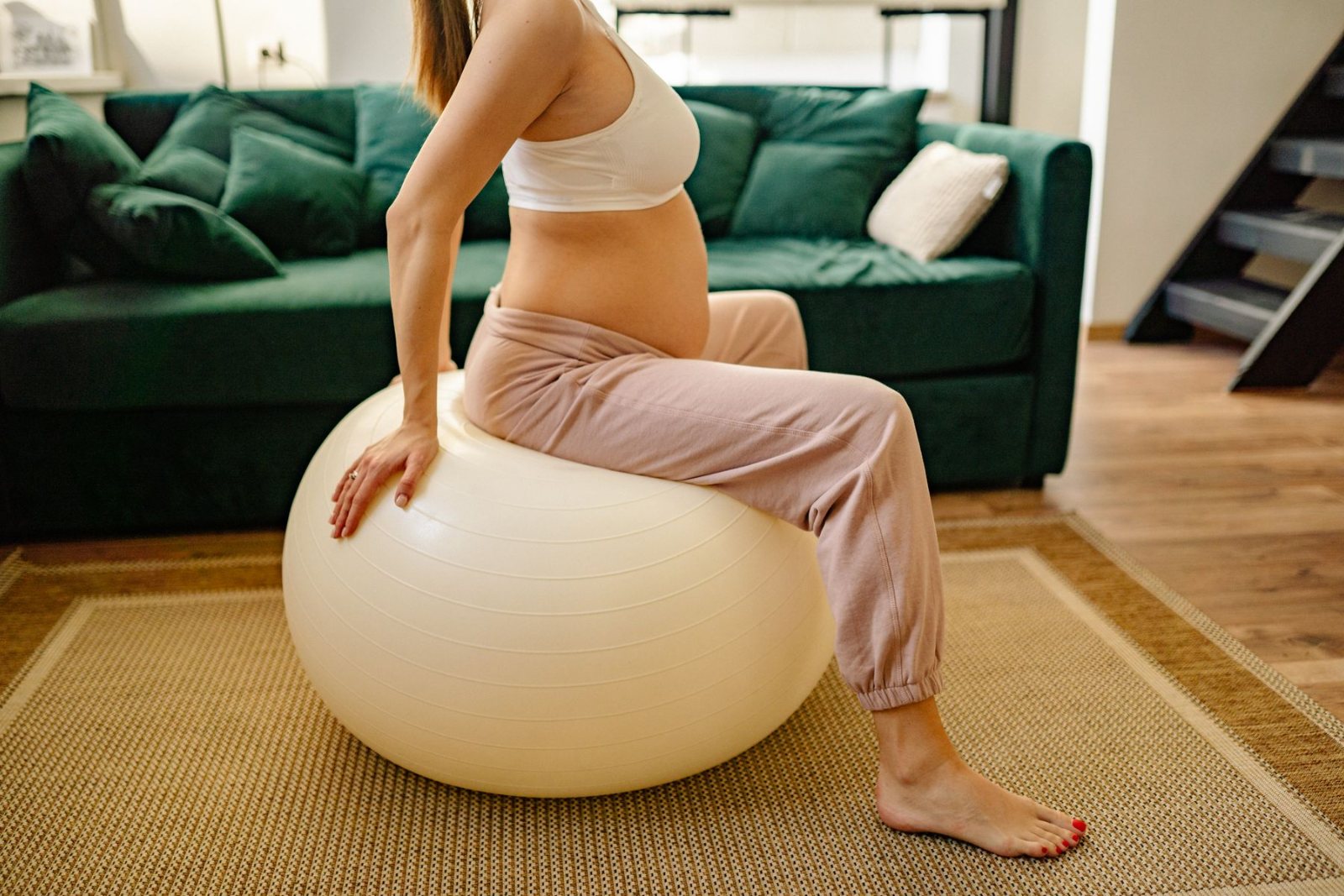
Pregnancy do's and don'ts
What you can eat, drink and do while you're expecting, based on current NHS advice, so you can stop second-guessing every meal and enjoy your pregnancy with confidence.
- Avoid liver, raw or undercooked meat, raw fish and unpasteurised dairy. Cook soft mould-ripened and blue cheeses until steaming hot.
- Keep caffeine under 200mg a day. That's roughly two mugs of instant coffee.
- There's no known safe amount of alcohol in pregnancy, so the safest choice is not to drink at all.
- Take 400 micrograms of folic acid a day until 12 weeks, and 10 micrograms of vitamin D.
- From 28 weeks, go to sleep on your side, and call your maternity unit straight away if your baby's movements change.
- Cheese, dairy and pâtéThe soft cheese rules made simple
- Meat, eggs and fishRunny eggs, sushi, tuna and liver
- Caffeine and alcoholDaily limits, herbal teas and the drinks question
- Smoking, vaping and medicinesFree support, painkillers and checking with a pharmacist
- Around the homeCat litter, gardening, cleaning, hair dye and hot tubs
- Travel, exercise and sexFlying, staying active and intimacy
- Sleep and supplementsSide sleeping from 28 weeks, folic acid and vitamin D
- Myths and when to get helpWhat to ignore and when to pick up the phone
If you’re trying to conceive (TTC), you probably know that there are certain foods and nutrients that become especially important once you’re pregnant. But nutrition plays a vital role even when trying to conceive, much like laying a strong foundation before constructing a house.
Certain nutrients create that foundation by supporting egg and sperm health (yes, nutrition matters for both partners), hormone balance and creating a hospitable environment for a fertilized egg to implant. In fact, studies show that certain nutrients can help increase fertility and improve success rates for both natural conception and fertility treatments.
In other words, nutrition is a key player in the TTC journey, but getting the right nutrients in the right quantities can be tricky. That’s where supplements come in. Just as you’d take a multivitamin to fill in nutritional gaps for optimal health, fertility supplements can give you that extra nutrient boost.
Choosing supplements for your fertility journey
When choosing a supplement to support your fertility journey, look for science-backed, high-quality ingredients. Our editors are careful to select and partner with brands that use ingredients that have been clinically studied to support fertility. Eu Natural® (pronounced you) covers all those bases and more. We love knowing that Eu Natural® products contain zero artificial additives, binders, or fillers and are lab-tested to ensure purity and potency.

When choosing a supplement to support your fertility journey, look for science-backed, high-quality ingredients. Our editors are careful to select and partner with brands that use ingredients that have been clinically studied to support fertility. Eu Natural® (pronounced you) covers all those bases and more. We love knowing that Eu Natural® products contain zero artificial additives, binders, or fillers and are lab-tested to ensure purity and potency.