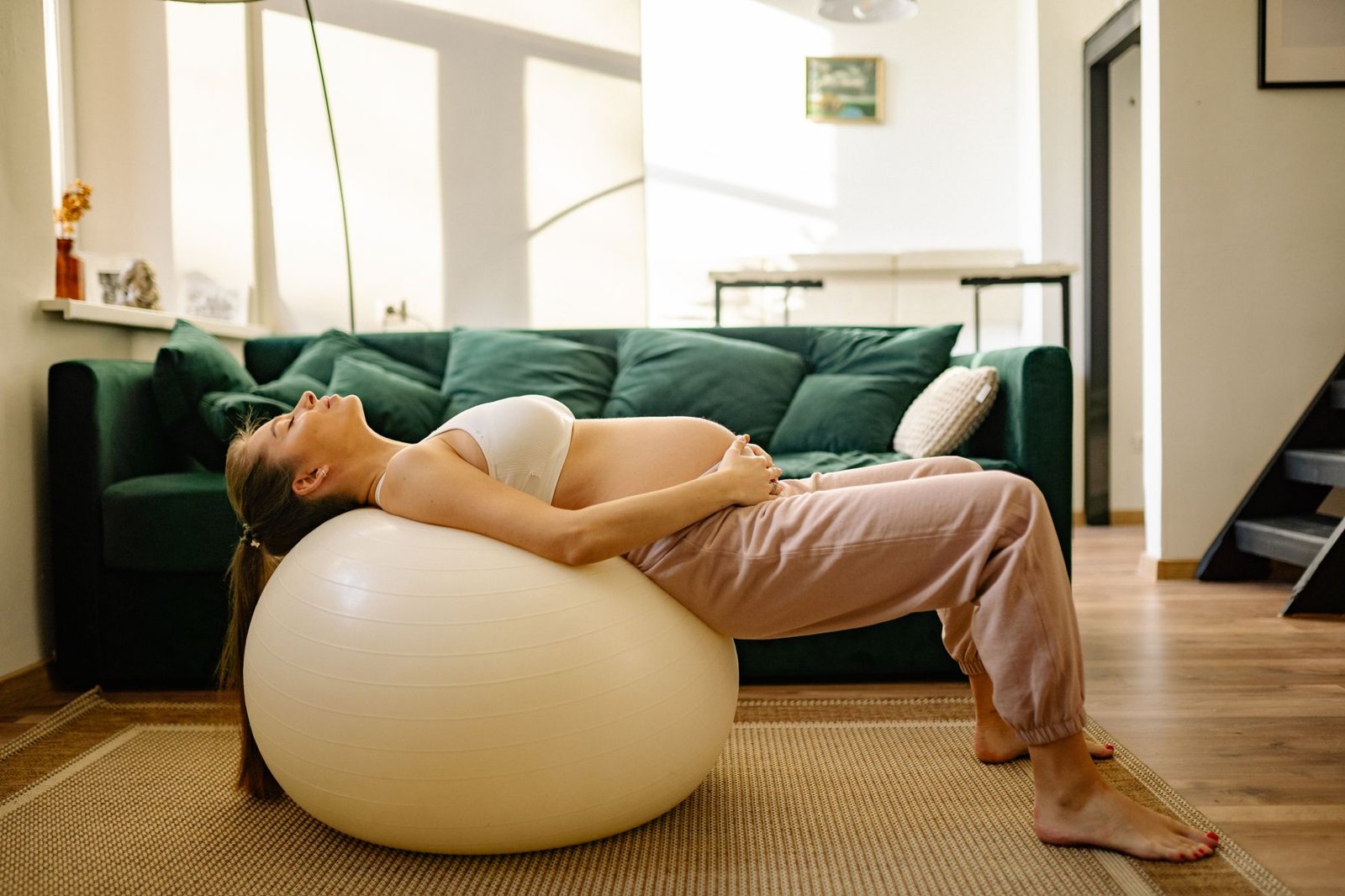
A babymoon is just a holiday with a bump. It doesn't have to be a spa, abroad or expensive. A couple of nights somewhere quiet, with good food and nobody asking you to do anything, counts. What makes it work is the planning: picking the right time, the right distance and a place that makes pregnancy easy.
When to go
The second trimester is the sweet spot. In the first 12 weeks, many people feel sick and exhausted, and late pregnancy can be tiring and uncomfortable. The NHS says many women find mid-pregnancy, between 4 and 6 months, the best time to travel.
Book with flexibility. Pregnancies don't always follow the plan. Look for free cancellation or flexible dates, especially if you're booking a long way ahead.
Avoid the school holidays. Term-time breaks are quieter and usually cheaper, and adults-only or couple-focused hotels are at their calmest outside the summer and half terms.
How far to go
Close to home is underrated. A UK break means no airport, no insurance worries and the option to drive home if you need to. Our pick of UK babymoon spa breaks has plenty within a couple of hours of most cities.
Short-haul is the next step up. Portugal, France, Italy and Spain are all within about three hours. See our short-haul babymoon hotels for four of our favourites.
Think carefully about long-haul. Long flights carry a small risk of blood clots (DVT), and the NHS doesn't recommend travel to areas where Zika is present if you're pregnant. That includes parts of the Caribbean, South and Central America, the Pacific islands, Africa and Asia. Check your destination on TravelHealthPro first.
The best babymoon is the one where the hardest decision is pool or nap.
What to check before you fly
- Your airline's pregnancy policy. After 28 weeks, an airline may ask for a letter from your midwife or GP confirming your due date and that you aren't at risk of complications. It can cost money and take time, so ask early. Many airlines won't fly you in the final weeks.
- Travel insurance that covers pregnancy. Check it covers pregnancy-related care, premature birth and the cost of changing your flights home.
- Your GHIC or EHIC. It gives you access to state healthcare in the EU, but it isn't a replacement for travel insurance.
- Your maternity notes. Take them with you, and find out where the nearest hospital is.
- Vaccines. Most live vaccines aren't recommended in pregnancy, so talk to your GP or midwife before booking anywhere that needs jabs.
On flights of over four hours, drink plenty of water, get up and walk about every 30 minutes and think about compression stockings from a pharmacy. Our full guide to flying during pregnancy has more.
Choosing the right hotel
Look for a pregnancy massage. Many spas offer pregnancy treatments from the second trimester, with therapists trained to work around a bump. Always tell the spa you're pregnant when you book.
Ask about the heat. It's best to avoid getting too hot in pregnancy, so you may want to skip saunas, steam rooms and hot tubs. A hotel with a good pool and shaded loungers matters more than a big thermal suite.
Comfort over glamour. A pregnancy pillow, a bath you can get out of, a lift rather than lots of stairs and a restaurant that's happy to do a mocktail all make a difference.
Think about the food. Check the menu works for pregnancy (no unpasteurised soft cheeses, raw shellfish or undercooked meat) and that the kitchen is happy to adapt dishes.
Make it count
- Plan less than you think. One thing a day is plenty.
- Book a bump shoot. Some hotels can arrange a photographer, or just take lots of photos of the two of you.
- Talk about the future. Names, nursery plans, how you'll share the nights. It's a good moment for the big conversations, away from the to-do list.
- Sleep. Lots. You'll miss it.
What is a babymoon?
A relaxing trip taken during pregnancy, usually as a couple, before the baby arrives. It can be anything from a night away in the UK to a week abroad.
When should I go on a babymoon?
Most people go in the second trimester. The NHS says many women find 4 to 6 months the best time to travel.
How late in pregnancy can I fly?
It depends on the airline. After 28 weeks you may need a letter confirming your due date, and many airlines won't fly you in the final weeks of pregnancy.
Can I use a hot tub or sauna on a babymoon?
It's best to avoid getting too hot in pregnancy, so many midwives advise skipping saunas, steam rooms and hot tubs. Ask your midwife if you're unsure.
Keep reading
- Short-haul babymoons: four European hotels made for a slow, pregnant pause
- The best UK babymoon spa breaks that every mum-to-be deserves right now
- Flying during pregnancy: everything you need to know before you jet off
- 5 tips for better sleep during pregnancy
This article is general information, not medical advice. Talk to your midwife or GP before you travel, especially if you have any pregnancy complications. See the NHS guide to travelling in pregnancy for more.
If you’re trying to conceive (TTC), you probably know that there are certain foods and nutrients that become especially important once you’re pregnant. But nutrition plays a vital role even when trying to conceive, much like laying a strong foundation before constructing a house.
Certain nutrients create that foundation by supporting egg and sperm health (yes, nutrition matters for both partners), hormone balance and creating a hospitable environment for a fertilized egg to implant. In fact, studies show that certain nutrients can help increase fertility and improve success rates for both natural conception and fertility treatments.
In other words, nutrition is a key player in the TTC journey, but getting the right nutrients in the right quantities can be tricky. That’s where supplements come in. Just as you’d take a multivitamin to fill in nutritional gaps for optimal health, fertility supplements can give you that extra nutrient boost.
Choosing supplements for your fertility journey
When choosing a supplement to support your fertility journey, look for science-backed, high-quality ingredients. Our editors are careful to select and partner with brands that use ingredients that have been clinically studied to support fertility. Eu Natural® (pronounced you) covers all those bases and more. We love knowing that Eu Natural® products contain zero artificial additives, binders, or fillers and are lab-tested to ensure purity and potency.

When choosing a supplement to support your fertility journey, look for science-backed, high-quality ingredients. Our editors are careful to select and partner with brands that use ingredients that have been clinically studied to support fertility. Eu Natural® (pronounced you) covers all those bases and more. We love knowing that Eu Natural® products contain zero artificial additives, binders, or fillers and are lab-tested to ensure purity and potency.





.jpeg)