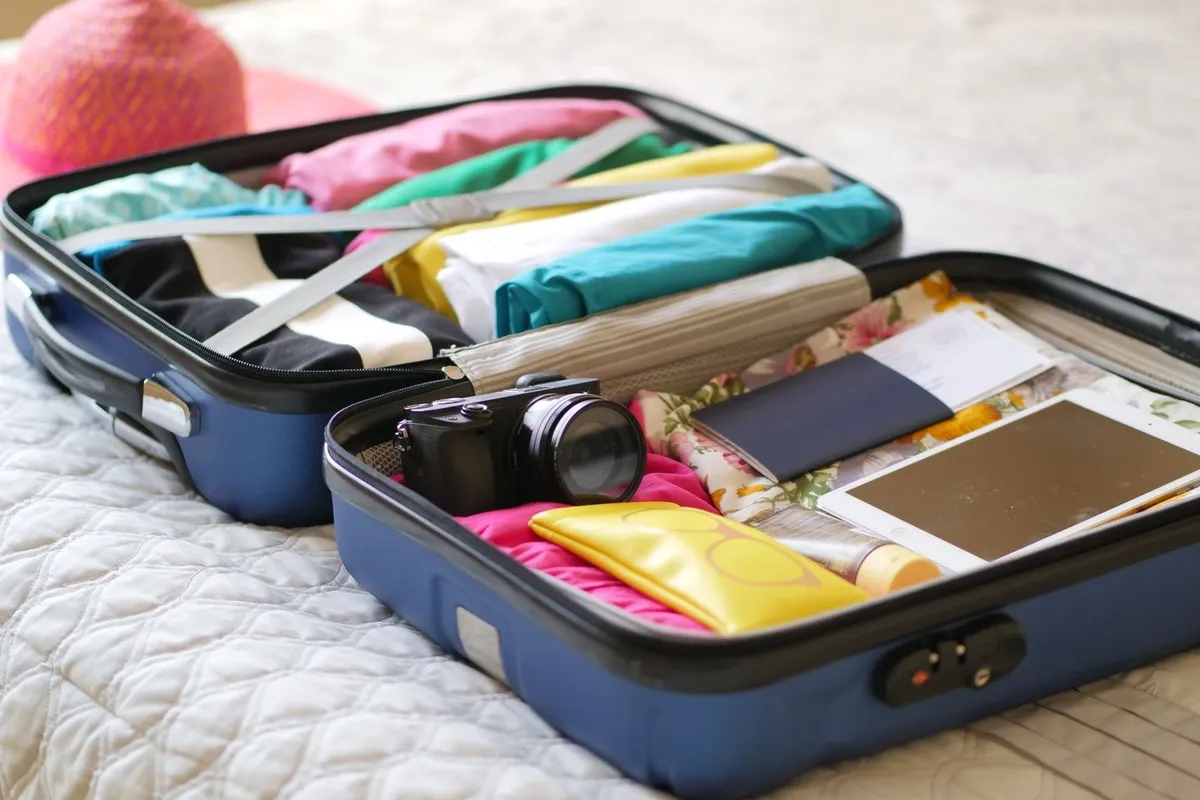
Pack it earlier than you think. The NHS suggests having your bag ready at least 3 weeks before your due date, as only around 1 in 20 babies arrive on the day itself. Even if you're planning a home birth, a packed bag means you're ready if you need to transfer.
For you
- your birth plan and hospital notes
- something loose and comfortable to wear in labour
- a dressing gown and slippers or flip-flops (handy for the shower too)
- nightwear that opens at the front if you're planning to breastfeed
- three changes of comfy clothes and socks
- five or six pairs of big, comfy knickers (disposable ones are a lifesaver)
- two or three supportive or nursing bras, and breast pads
- two packs of super-absorbent maternity pads
- a washbag with toiletries, a hairband and lip balm
- an eye mask, a towel and your own pillow
- snacks, drinks and a water bottle with a straw
- a handheld fan or water spray
- any regular medicines, and glasses or contact lenses
- a TENS machine and spare batteries, if you're using one
- headphones, music, a book or podcasts
- your phone, charger and a long cable or power bank
- a bag for dirty laundry
The long phone cable. Every single mum who forgot it says the same thing.
For your baby
- vests, bodysuits and sleepsuits (newborn and first size, in case)
- a going-home outfit
- a hat, scratch mittens and socks or booties
- a snowsuit or warm blanket if it's cold, as it shouldn't be worn in the car seat
- nappies and cotton wool or water wipes
- muslin squares
- a blanket or shawl
- a car seat, fitted in the car before the big day
For your birth partner
- a change of clothes and toiletries
- their phone and charger
- snacks and drinks (for them, and to share)
- swimwear if they might join you in a birth pool
- any medicines, and glasses or contacts
- change or a card for parking and vending machines
The things mums say they wish they'd packed
- Dark towels. Hospital ones are small and white.
- Nipple cream for the early days of feeding.
- A high-waisted pair of joggers that sit above a caesarean scar.
- Proper snacks. Labour can be long, and you'll be starving afterwards.
- A list of who to tell, so your partner isn't scrolling through contacts at 4am.
When should I pack my hospital bag?
The NHS suggests having it ready at least 3 weeks before your due date, so around 37 weeks at the latest. Many people pack by 36 weeks.
What does a newborn need in the hospital bag?
Vests, sleepsuits, a going-home outfit, a hat, scratch mittens, nappies, wipes or cotton wool, muslins, a blanket and a car seat for the journey home.
Do I need a hospital bag for a home birth?
It's a good idea. If you need to transfer to hospital, you'll be glad it's packed and ready.
What should my birth partner pack?
A change of clothes, toiletries, phone and charger, snacks and drinks, any medicines, and change or a card for parking.
Keep reading
- Signs of labour: how to tell it's starting, and when to call
- Pregnancy week by week: the complete guide
- Creating a birth plan
- Your pregnancy to-do list, trimester by trimester
This checklist is based on NHS guidance and is general information. Your hospital may have its own list, so check with your maternity unit. See the NHS hospital bag checklist.
If you’re trying to conceive (TTC), you probably know that there are certain foods and nutrients that become especially important once you’re pregnant. But nutrition plays a vital role even when trying to conceive, much like laying a strong foundation before constructing a house.
Certain nutrients create that foundation by supporting egg and sperm health (yes, nutrition matters for both partners), hormone balance and creating a hospitable environment for a fertilized egg to implant. In fact, studies show that certain nutrients can help increase fertility and improve success rates for both natural conception and fertility treatments.
In other words, nutrition is a key player in the TTC journey, but getting the right nutrients in the right quantities can be tricky. That’s where supplements come in. Just as you’d take a multivitamin to fill in nutritional gaps for optimal health, fertility supplements can give you that extra nutrient boost.
Choosing supplements for your fertility journey
When choosing a supplement to support your fertility journey, look for science-backed, high-quality ingredients. Our editors are careful to select and partner with brands that use ingredients that have been clinically studied to support fertility. Eu Natural® (pronounced you) covers all those bases and more. We love knowing that Eu Natural® products contain zero artificial additives, binders, or fillers and are lab-tested to ensure purity and potency.

When choosing a supplement to support your fertility journey, look for science-backed, high-quality ingredients. Our editors are careful to select and partner with brands that use ingredients that have been clinically studied to support fertility. Eu Natural® (pronounced you) covers all those bases and more. We love knowing that Eu Natural® products contain zero artificial additives, binders, or fillers and are lab-tested to ensure purity and potency.






.jpeg)