Your baby at 5 weeks
The face is starting to take shape, with the beginnings of a nose and eyes.
The brain and spinal cord are forming fast, and the placenta is developing to bring in food and oxygen.
Your body at 5 weeks
Your period is probably late, and you might feel a bit under the weather.
Tiredness, nausea and sore breasts are common, and changing hormones can make tastes and smells feel different, hello cravings.
Exhaustion this early is real and it's not you being dramatic. Go to bed at 8pm without guilt.
Your to-do list at 5 weeks
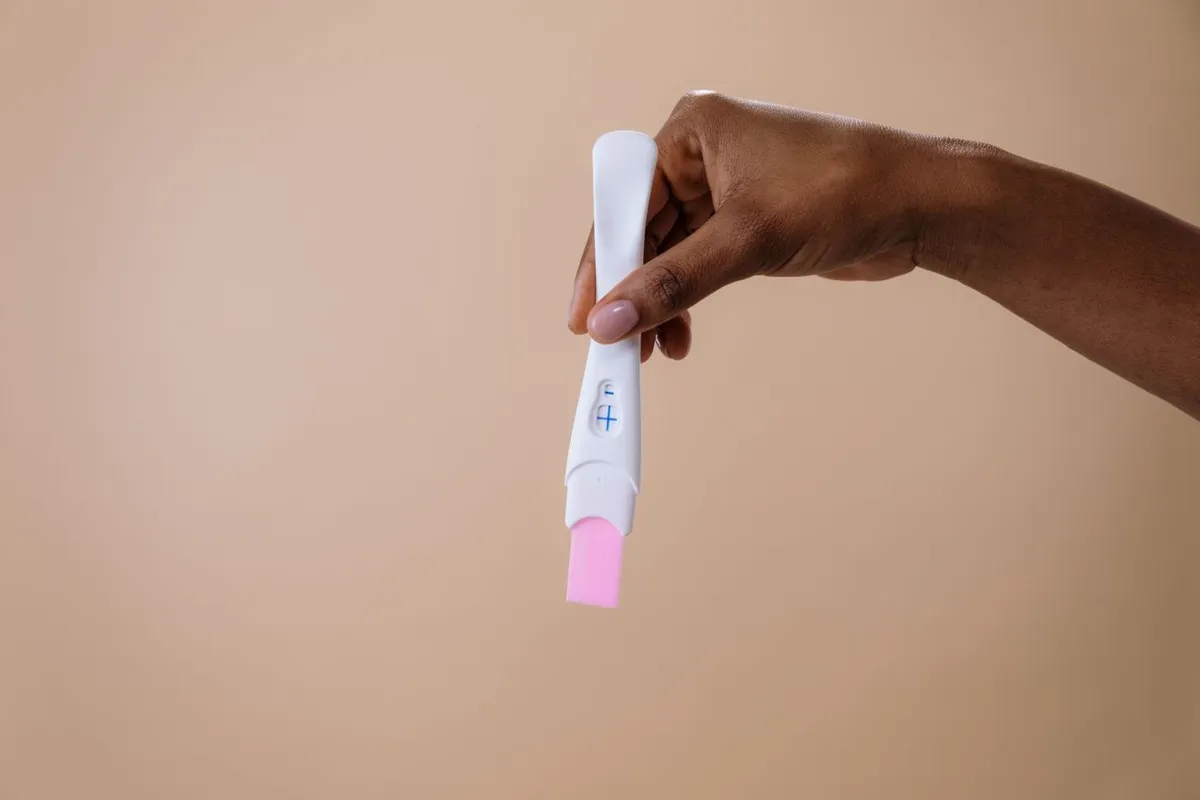
- If you're not sure yet, take a pregnancy test.
- Book your booking appointment with a midwife or GP.
- Keep taking folic acid every day.
When to call your midwife
Contact your midwife, GP or NHS 111 if you have bleeding, tummy pain or severe sickness where you can't keep fluids down. Call 999 if you have heavy bleeding, severe pain, pain in the tip of your shoulder or feel faint, as these can be signs of an ectopic pregnancy.
How big is my baby at 5 weeks pregnant?
At 5 weeks, your baby is about 2mm.
How many months is 5 weeks pregnant?
5 weeks pregnant is around 1 month, in the first trimester.
What should I do at 5 weeks pregnant?
If you're not sure yet, take a pregnancy test.
Keep reading
- Pregnancy week by week: the complete guide
- Due date calculator: when is my baby due?
- Your pregnancy to-do list, trimester by trimester
This guide is general information based on NHS week-by-week guidance, not medical advice. Every pregnancy is different, and baby sizes are averages. If you're worried about anything, contact your midwife, GP or maternity unit. See the NHS week-by-week guide.
If you’re trying to conceive (TTC), you probably know that there are certain foods and nutrients that become especially important once you’re pregnant. But nutrition plays a vital role even when trying to conceive, much like laying a strong foundation before constructing a house.
Certain nutrients create that foundation by supporting egg and sperm health (yes, nutrition matters for both partners), hormone balance and creating a hospitable environment for a fertilized egg to implant. In fact, studies show that certain nutrients can help increase fertility and improve success rates for both natural conception and fertility treatments.
In other words, nutrition is a key player in the TTC journey, but getting the right nutrients in the right quantities can be tricky. That’s where supplements come in. Just as you’d take a multivitamin to fill in nutritional gaps for optimal health, fertility supplements can give you that extra nutrient boost.
Choosing supplements for your fertility journey
When choosing a supplement to support your fertility journey, look for science-backed, high-quality ingredients. Our editors are careful to select and partner with brands that use ingredients that have been clinically studied to support fertility. Eu Natural® (pronounced you) covers all those bases and more. We love knowing that Eu Natural® products contain zero artificial additives, binders, or fillers and are lab-tested to ensure purity and potency.

When choosing a supplement to support your fertility journey, look for science-backed, high-quality ingredients. Our editors are careful to select and partner with brands that use ingredients that have been clinically studied to support fertility. Eu Natural® (pronounced you) covers all those bases and more. We love knowing that Eu Natural® products contain zero artificial additives, binders, or fillers and are lab-tested to ensure purity and potency.






.jpeg)