Why weeks 1 and 2 don't count (but do)
Pregnancy is counted from the first day of your last period, not from the day you conceived. That's because most people know when their period started, but not exactly when they ovulated. So in weeks 1 and 2, your body is having a period and then getting ready to release an egg.
Week 3: conception
If an egg is fertilised, usually around the end of week 2, it starts dividing into a tiny ball of cells. Over the next few days it travels down the fallopian tube and begins to bury into the lining of your womb. Some people notice a little light spotting around now, but most notice nothing at all.
If you're trying, try not to symptom-spot every twinge. Most early signs don't appear until around the time of your missed period.
Your to-do list if you're trying
- Take 400 micrograms of folic acid every day, and keep going until 12 weeks of pregnancy.
- Take 10 micrograms of vitamin D a day.
- Cut out alcohol and smoking, and keep caffeine low.
- Check with your GP about any regular medicines.
When to take a test
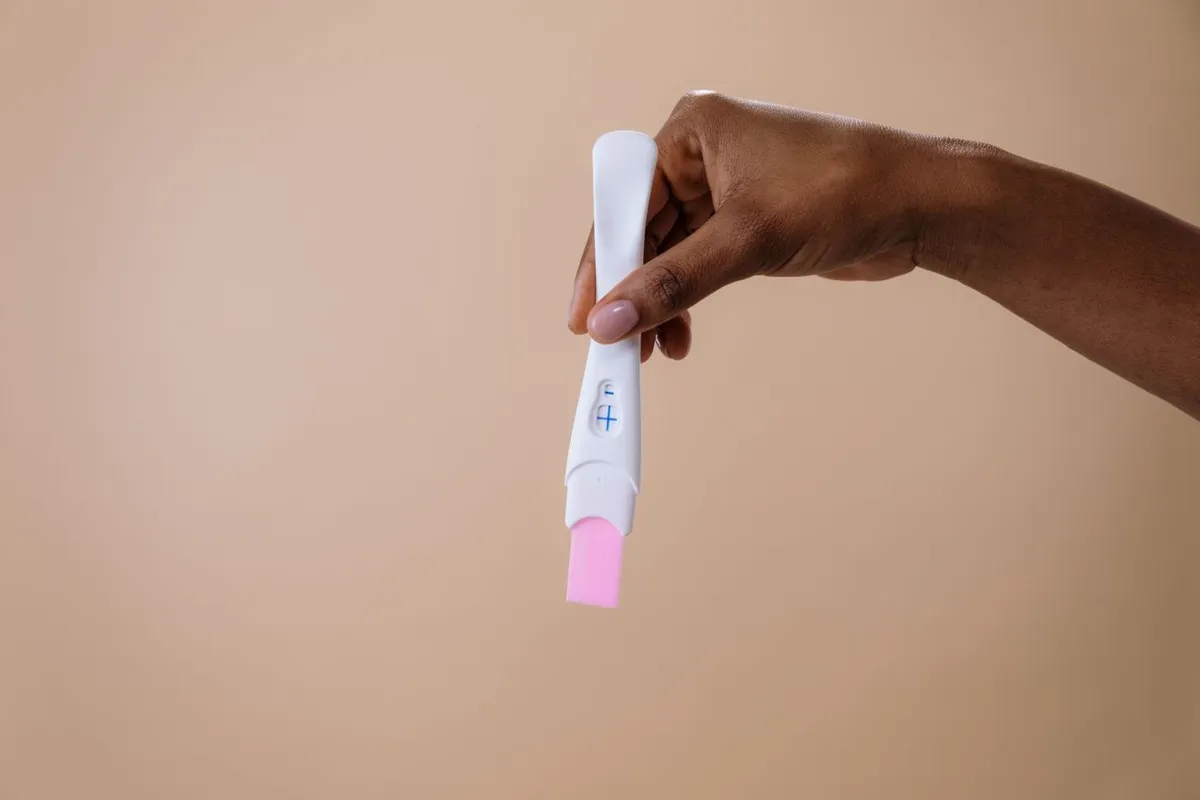
Most pregnancy tests work from the first day of a missed period, which is about 4 weeks pregnant. Testing too early can give a negative result even if you are pregnant, so if your period still hasn't come, test again a few days later.
Am I pregnant at 1 week?
No. Pregnancy is dated from the first day of your last period, so in weeks 1 and 2 you aren't actually pregnant yet. Conception usually happens around the end of week 2.
When can I take a pregnancy test?
Most tests work from the first day of your missed period, around 4 weeks pregnant. Some sensitive tests can pick up pregnancy a few days earlier.
Should I take folic acid before I'm pregnant?
Yes. The NHS advises taking 400 micrograms of folic acid a day while you're trying to conceive and until 12 weeks of pregnancy.
Keep reading
- Pregnancy week by week: the complete guide
- Due date calculator: when is my baby due?
- Your pregnancy to-do list, trimester by trimester
This guide is general information, not medical advice. If you have any concerns about trying to conceive, speak to your GP. See the NHS guide to trying for a baby.
If you’re trying to conceive (TTC), you probably know that there are certain foods and nutrients that become especially important once you’re pregnant. But nutrition plays a vital role even when trying to conceive, much like laying a strong foundation before constructing a house.
Certain nutrients create that foundation by supporting egg and sperm health (yes, nutrition matters for both partners), hormone balance and creating a hospitable environment for a fertilized egg to implant. In fact, studies show that certain nutrients can help increase fertility and improve success rates for both natural conception and fertility treatments.
In other words, nutrition is a key player in the TTC journey, but getting the right nutrients in the right quantities can be tricky. That’s where supplements come in. Just as you’d take a multivitamin to fill in nutritional gaps for optimal health, fertility supplements can give you that extra nutrient boost.
Choosing supplements for your fertility journey
When choosing a supplement to support your fertility journey, look for science-backed, high-quality ingredients. Our editors are careful to select and partner with brands that use ingredients that have been clinically studied to support fertility. Eu Natural® (pronounced you) covers all those bases and more. We love knowing that Eu Natural® products contain zero artificial additives, binders, or fillers and are lab-tested to ensure purity and potency.

When choosing a supplement to support your fertility journey, look for science-backed, high-quality ingredients. Our editors are careful to select and partner with brands that use ingredients that have been clinically studied to support fertility. Eu Natural® (pronounced you) covers all those bases and more. We love knowing that Eu Natural® products contain zero artificial additives, binders, or fillers and are lab-tested to ensure purity and potency.






.jpeg)